
For nonprofit development directors, foundation executives, and healthcare philanthropy teams, donor retention is not just a fundraising metric. It is a measure of whether supporters feel connected to the mission after they give. Norvision has more than 20 years of experience designing interactive signage, including donor recognition displays for healthcare and nonprofit environments. The central lesson is simple: recognition works best when it strengthens a relationship, not when it simply adds another screen to the lobby.
What the 32% retention figure really means
The Fundraising Effectiveness Project reported a 31.9% year-to-date donor retention rate in Q3 2025. That is a useful warning sign, but context matters: it was a quarterly, year-to-date benchmark, not the final annual rate. FEP later reported 43.3% overall donor retention for full-year 2025. These figures measure different reporting periods, so don’t present them as directly interchangeable.
The more important takeaway is that retaining donors requires sustained stewardship. A gift is the beginning of a relationship, not the finish line.
The value of that relationship shows up in long-term giving. Neon One’s Generosity Report found that just 11.7% of donors in its study gave in all five years, yet this group accounted for 45% of revenue. The finding comes from a particular study cohort, not every nonprofit, but it makes a compelling case for investing in the people who keep showing up.
Sources: FEP 2025 Q3 report, FEP 2025 Q4 overview, and Neon One’s 2026 fundraising statistics.
Recognition is stewardship, not decoration
A donor wall can serve as a visible expression of gratitude and a reminder of what supporters make possible. But a list of names alone may not tell the story donors want to be part of.
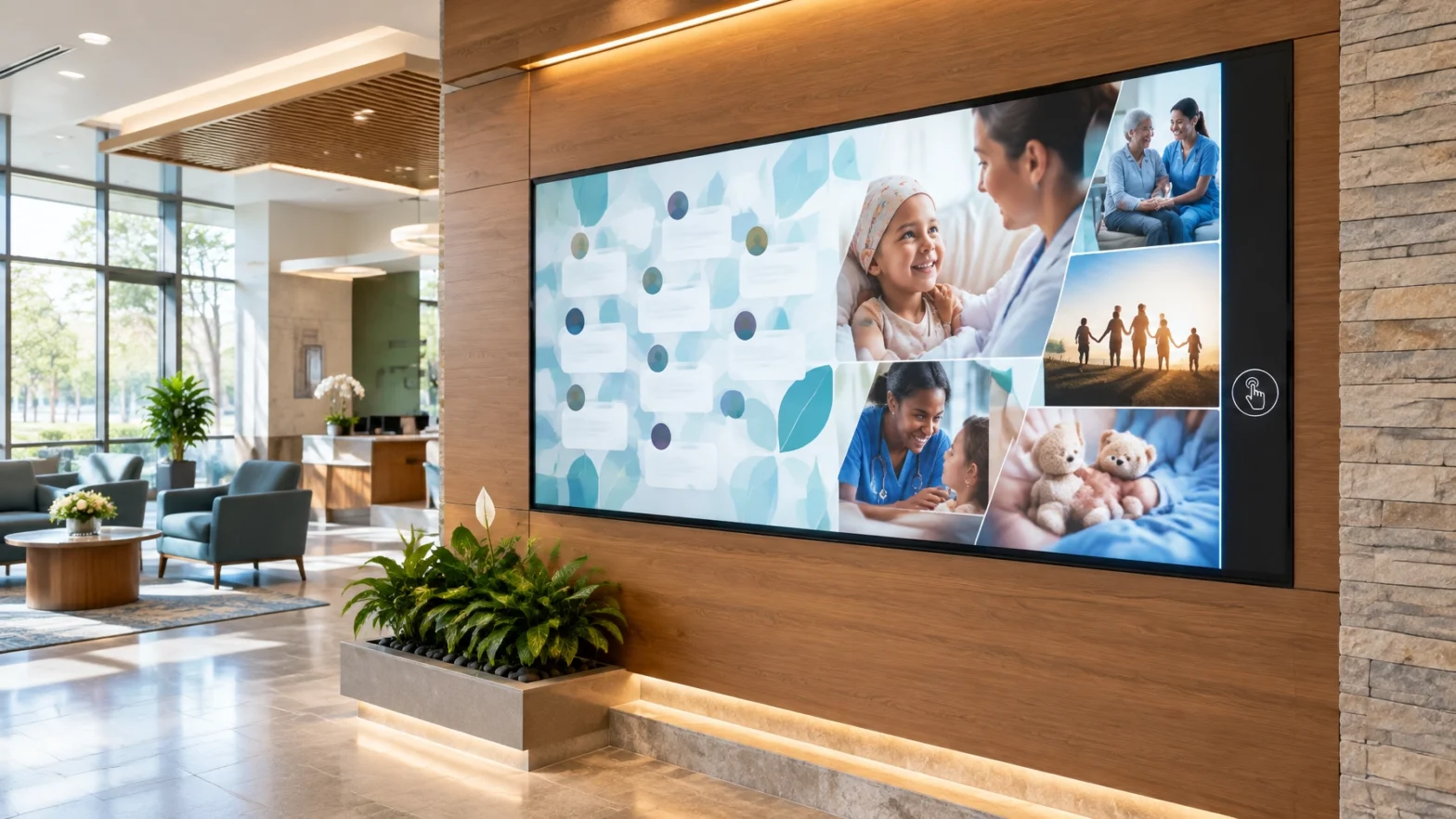
A thoughtful digital donor wall can connect recognition to mission by combining names with brief impact stories, photos, videos, campaign milestones, or details about a funded program. An interactive donor wall can let visitors explore those stories at their own pace. And an electronic donor wall can make it easier for your team to update recognition as new gifts arrive, without treating every change as a construction project.
The display is the medium. The stewardship is the message.

How a donor wall can support repeat giving
A digital display cannot guarantee that a donor will give again. It can, however, help your organization make appreciation more visible, timely, and connected to impact. That gives your stewardship program another touchpoint to reinforce the relationship.
1. Make recognition timely
If a donor has to wait months for their name to appear, the moment of recognition can feel disconnected from the gift. A digital recognition system can make updates more manageable, helping your team acknowledge supporters sooner. Provided the review and approval process is clear.
Keep it simple: establish a regular content update schedule, assign an owner, and set expectations for when newly approved recognition will appear.
2. Show what generosity makes possible
A donor’s name is meaningful. The result of their generosity gives that recognition context.
Connect a donor or campaign to a specific story: a community program, a renovated care space, a new research initiative, or a service made possible by philanthropy. Keep the story accurate, concise, and respectful of the people represented.
Norvision’s digital donor recognition solutions are designed to combine recognition with custom content, visuals, and stories. The goal is to help your visitors understand not only who gave, but what giving supports.
3. Recognize supporters in a way that feels personal
Donors differ in how they want to be acknowledged. Some welcome public recognition; others prefer privacy. Some care most about a particular program or cause. Your recognition approach should reflect donor preferences and your organization’s policies, not assume one format suits everyone.
Before publishing a name, photo, gift level, or personal story:
- Confirm the donor’s recognition preference.
- Check spelling, preferred name, and any designation.
- Respect anonymous-giving requests.
- Get permission for photos, quotes, and personal details.
- Provide a clear process for corrections or changes.
A virtual donor wall can also extend recognition beyond a building, but the same principles apply: make it accurate, accessible, and respectful.
4. Keep recognition inclusive
A recognition program should communicate that supporters matter, not suggest that only large gifts count. Consider how your policies acknowledge volunteers, community partners, recurring donors, staff, and donors at different giving levels. Explain categories clearly, and make sure the experience reflects your organization’s values.
In a healthcare setting, placement and content also matter. A lobby display may be viewed by patients, families, staff, and visitors. Use language and imagery that feel welcoming, protect privacy, and fit the environment.
A real-world example: recognition at meaningful scale
Norvision’s published project information describes a 12-screen, 30-foot interactive donor wall for UCSF Benioff Children’s Hospital. The display can show more than 160 donor names at a time and offers touchscreen navigation to donor information, stories, and videos.
That example illustrates what a digital donor wall can make possible: presenting many supporters while giving visitors a way to explore the mission behind the names. It is not evidence that a display alone caused a particular increase in retention. Rather, it shows how recognition can become a more engaging part of a broader stewardship experience.
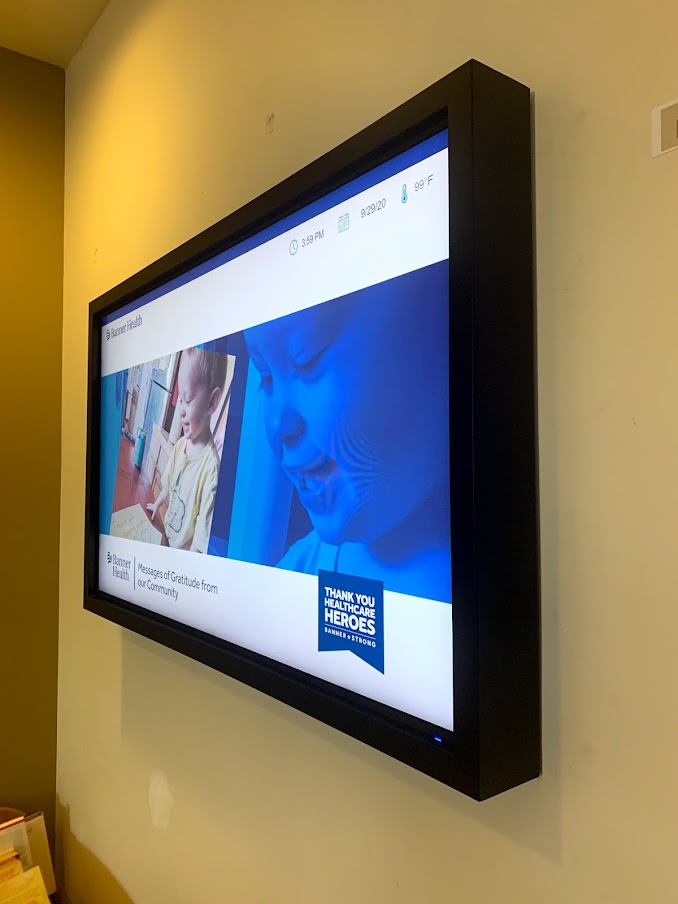
Norvision’s donor recognition project page also features work for organizations including Sun Health Foundation, Penn State Harrisburg, and Banner Health + Donate Life CO.

Measure stewardship impact, not screen activity alone
It can be tempting to judge a digital installation by how often it is updated or how many visitors tap the screen. Those measures may help you understand use, but they do not show whether donors feel more appreciated or stay connected.
Set a baseline before launch, then review results at regular intervals. Compare similar donor groups and time periods where possible, and note other stewardship or campaign changes that could influence outcomes. A donor wall is one part of your relationship-building program, not a controlled experiment.
Track a practical mix of measures
- Retention: Compare repeat-giving rates before and after launch, using consistent definitions and time windows.
- Renewal by segment: Review results for first-time, recurring, multi-year, and campaign-specific donors.
- Stewardship follow-through: Track time from gift or campaign milestone to thank-you and recognition.
- Donor feedback: Ask whether supporters feel appropriately acknowledged and whether recognition reflects their preferences.
- Content engagement: If your display provides reliable analytics, review interactions with stories or profiles as a supporting measure, not as a substitute for retention.
- Data quality: Monitor corrections, delayed updates, and recognition preference records.
Avoid crediting a change in retention to the display alone. Your results may also reflect personal outreach, campaign timing, economic conditions, or changes in your donor base. The purpose of measurement is to learn whether recognition is contributing to a stronger stewardship program and where that program needs improvement.
The Association of Fundraising Professionals’ guidance on donor appreciation is a useful reminder to treat appreciation as a meaningful part of fundraising practice, not an afterthought.
Keep the technology in service of the relationship
A digital donor wall, donor recognition signage, or virtual donor wall is most valuable when it supports the work your team is already doing: thanking people, sharing impact, and building trust over time. Don’t get caught up in features before you decide what donors should feel, learn, or be able to do.
Start with three questions:
- Who do you want to recognize, and how do they want to be recognized?
- What story should visitors understand about the impact of giving?
- How will your team keep the information accurate and current?
Keep it simple. Seeing a theme? Strong recognition is personal, consistent, and connected to mission. The display can help make that stewardship visible, but the relationship remains the point.
If you’re exploring recognition walls for a nonprofit, foundation, or healthcare facility, learn more about Norvision’s donor wall solutions or contact the team to discuss your space, recognition goals, and content needs. You can also call 480-447-4260.