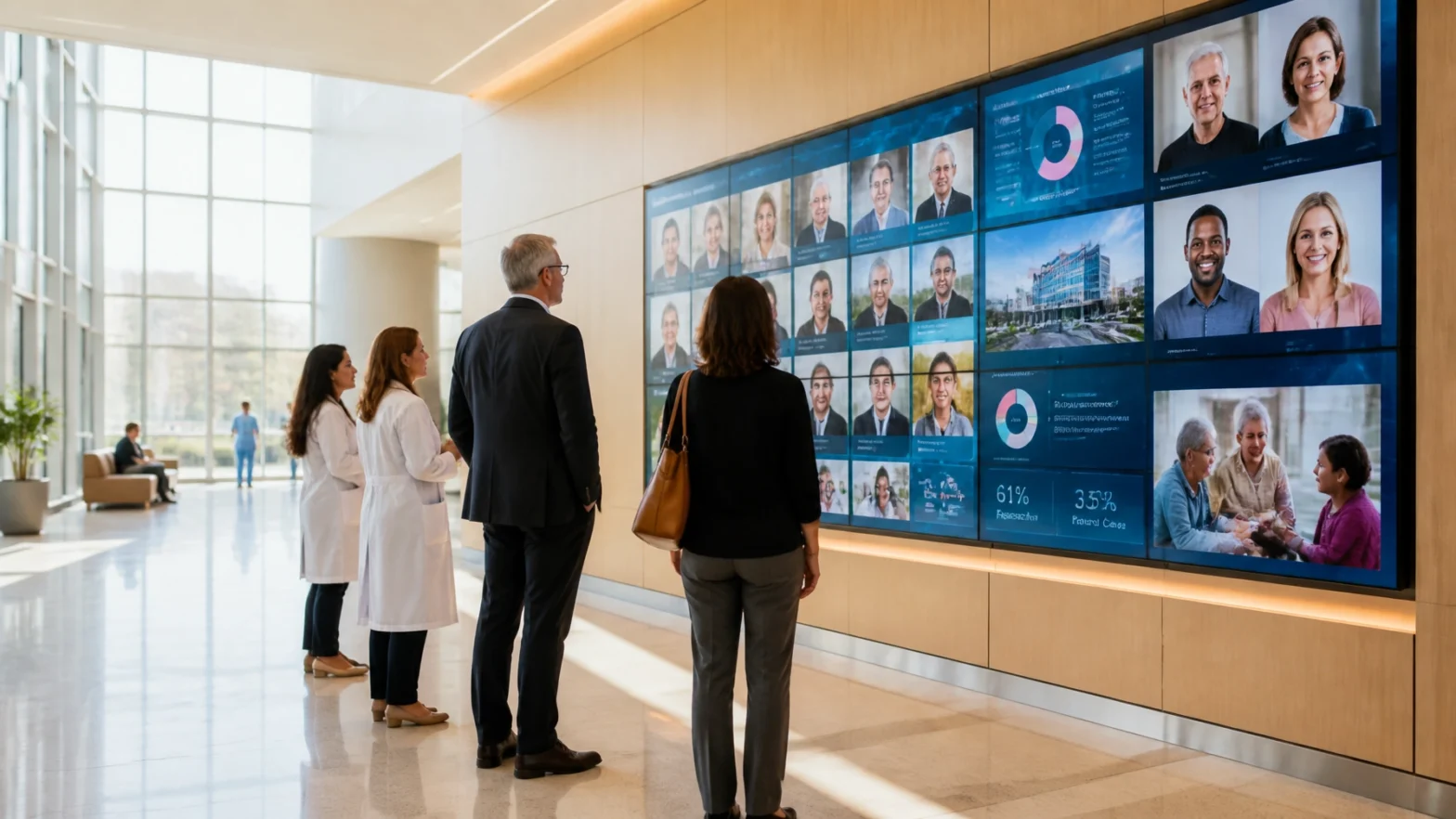
At Norvision, we’ve spent over 20 years at the intersection of technology and gratitude. We’ve seen donor recognition evolve from hand-carved stone tablets to static brass plaques, and finally, to the dynamic digital ecosystems we build today. But the landscape changed again in the last few years. The world went hybrid, and donor recognition had to follow.
If your organization is still relying solely on a physical wall in a hallway that only 10% of your donors ever visit, you are missing a massive opportunity for engagement, retention, and growth.
A virtual donor wall isn't just a digital version of a plaque; it is a strategic fundraising tool that bridges the gap between your physical space and your global community. In this guide, we will break down everything you need to know about building a virtual donor recognition system that works as hard as your development team does.
What is a Virtual Donor Wall?
Let’s define our terms. While a digital donor wall typically refers to a physical screen or kiosk inside your building, a virtual donor wall is a web-based, mobile-optimized experience hosted on your website. It allows anyone, anywhere, at any time to engage with your donor stories, view recognition tiers, and see the real-world impact of their contributions.
In 2026, the most successful organizations don't choose between physical and virtual. They adopt a hybrid recognition strategy. They use physical elements for prestige and tradition, digital kiosks for on-site engagement, and virtual walls for global reach and accessibility.
Why Your Organization Needs a Virtual Presence
Why move recognition online? It’s not just about being "modern." It’s about solving real-world fundraising challenges.
- Unlimited Capacity: Physical walls run out of space. Digital and virtual walls are infinite. You can recognize every single donor, from the $10 first-time giver to the multi-million dollar legacy donor, without ever needing to buy a bigger piece of marble.
- Real-Time Agility: Did a major gift just come in? You can have that donor recognized across your entire network, on-site and online, within minutes. No more waiting six months for a fabrication shop to ship a new plaque.
- Global Accessibility: For many nonprofits and universities, a significant portion of the donor base lives in different states or even different countries. A virtual wall ensures they feel seen and appreciated even if they never step foot on your campus.
- Lower Total Cost of Ownership: When you compare the cost of digital vs. traditional recognition, virtual systems win on scalability every time.
The Power of Hybrid: Blending Physical and Digital
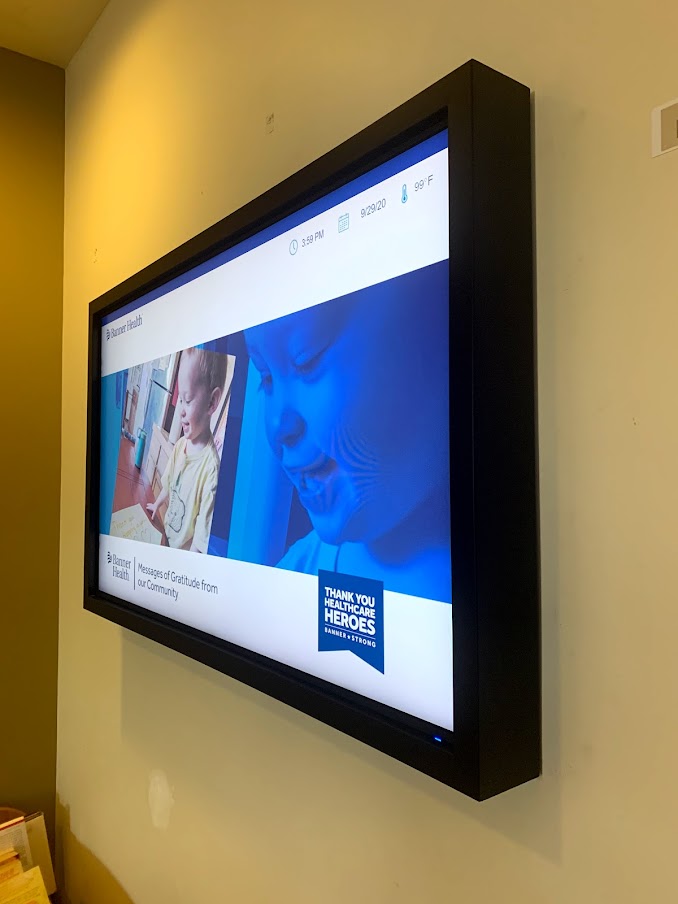
The "Hybrid" model is the gold standard for 2026. This approach uses the physical environment to create a "wow" moment and the virtual environment to provide depth.
For example, look at our work with Banner Health. By integrating real-time gratitude systems into their facilities, they create an immediate connection between the clinical environment and the community’s support. A visitor sees the display in the lobby, but they can also access the same stories and recognition lists via a QR code or the hospital's website.
Keep it simple. Seeing a theme? Your recognition should be wherever your donors are. If they are in your lobby, show them a screen. If they are at home on their couch, show them a web portal.
4 Key Components of a High-Impact Virtual Wall
Don't just put a PDF of a donor list on your website. That’s an honor roll, not a virtual wall. A true virtual recognition platform requires four key elements:
1. Interactive Multimedia Storytelling
A name on a wall is a data point. A video of a scholarship recipient or a photo of a new research lab is a story. Your virtual wall should allow users to click on a donor's name and see why they gave and what that gift accomplished.
2. Searchable Directories
If you have 5,000 donors, no one wants to scroll for ten minutes to find their name. Your platform must include robust search and filter tools. Let users filter by campaign, giving society, or year. This makes the experience personal and rewarding.
3. Real-Time Campaign Integration
Tying your wall to your active fundraising goals is a game-changer. Use interactive thermometers and progress bars to show how close you are to a goal. This creates a sense of urgency and invites visitors to move from "viewing" to "giving."
4. Seamless CRM Integration
Your virtual wall shouldn't be an island. It should talk to your CRM (like Blackbaud or Salesforce). When a gift is processed, the wall should update automatically. This reduces administrative overhead and ensures your data is always accurate.
Creating Experiences Worth Talking About
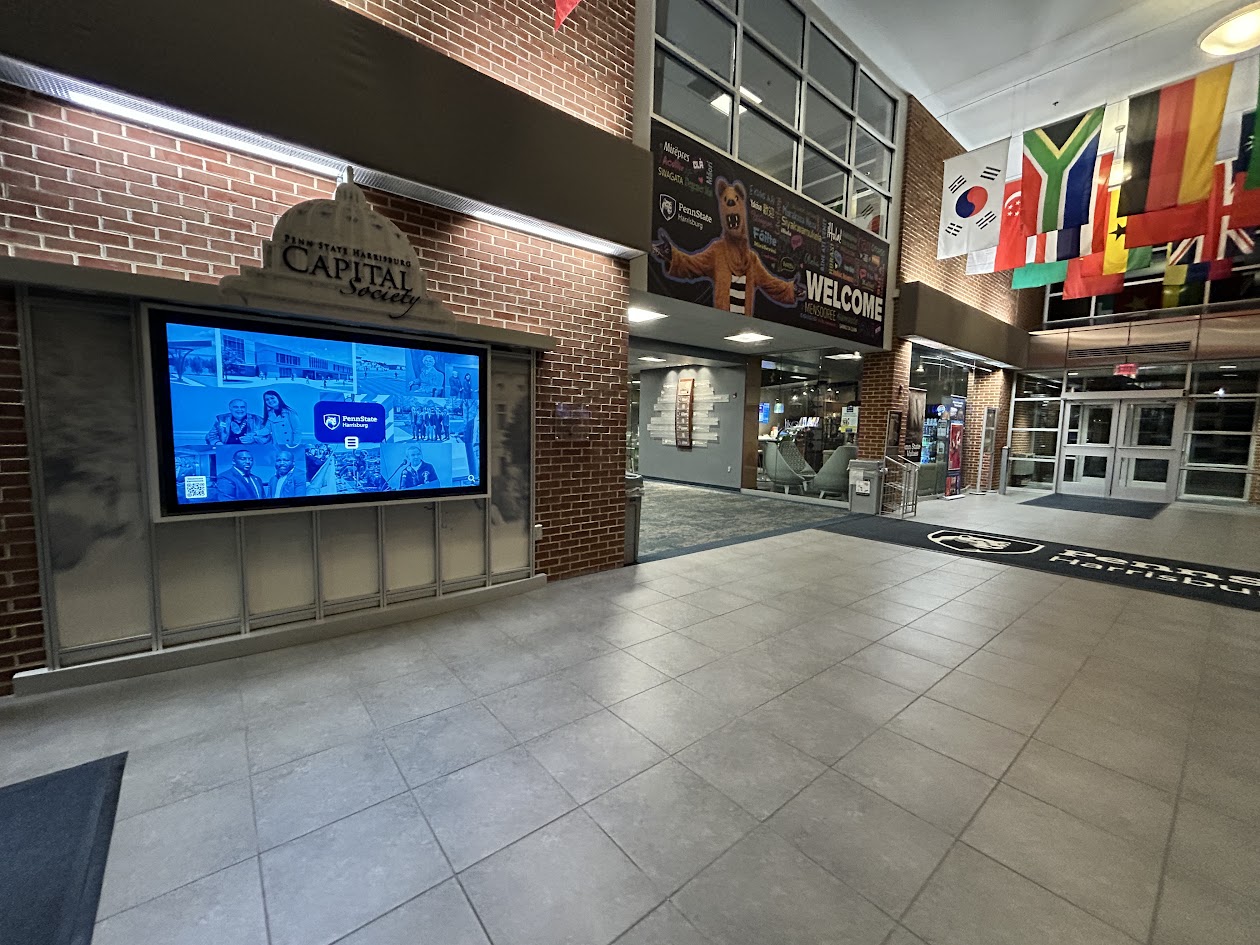
At Norvision, we believe that interactive donor walls transform philanthropy. When you give people a way to touch, swipe, and explore, you move them from being passive observers to active participants.
In a university setting, for instance, a digital wall in the student union can highlight alumni success stories. When students see the names and faces of those who came before them, it builds a "culture of philanthropy" before they even graduate.
Make sure to: Focus on the "user journey." Ask yourself: "What do I want a visitor to feel when they land on this page?" The answer should be inspired.
Using Data to Drive Your Strategy

One of the biggest advantages of a virtual donor wall is the data it generates. Unlike a brass plaque, a virtual wall tells you exactly what people care about.
Through our AI and data analytics assessment capabilities, you can track:
- Which donor stories are being read the most.
- How long people spend engaging with specific campaigns.
- The "conversion rate" of people moving from the donor wall to your "Give Now" page.
Don’t get caught up in the technology for technology's sake. Use these insights to refine your storytelling and target your fundraising appeals more effectively. If a certain impact story is getting 10x more views than others, that’s a signal that your community cares deeply about that specific cause.
Your Implementation Checklist
Ready to build your virtual or hybrid wall? Follow these steps to ensure a smooth launch:
- Define Your Tiers: Decide which levels of giving get virtual-only recognition and which get a spot on your physical digital kiosks.
- Audit Your Content: Gather high-quality photos, videos, and testimonials. Content is the engine that drives engagement.
- Choose Your Hardware (If Hybrid): For on-site elements, always choose commercial-grade monitors. Consumer TVs aren't designed for 24/7/365 use.
- Ensure Accessibility: Your virtual wall must be ADA-compliant and WCAG-friendly. This isn't just a legal requirement; it's a moral one.
- Plan for Updates: Assign a team member to be the "content owner" who ensures stories stay fresh and names stay accurate.
The Norvision Advantage
Transitioning to a hybrid donor recognition model can feel overwhelming, but you don't have to do it alone. With over 20 years of expertise and a professional installation team covering all 50 states, Norvision specializes in solving these exact complexities.
We don't just sell screens; we build modular, scalable architectures that integrate hardware, software, and creative storytelling into one seamless experience.
Let's transform your donor appreciation into a dynamic, real-time experience.
Contact Norvision Today:
Ready to see a demo of our virtual donor platforms?
Visit us at norvision.com or call our experts to start planning your hybrid recognition strategy.