
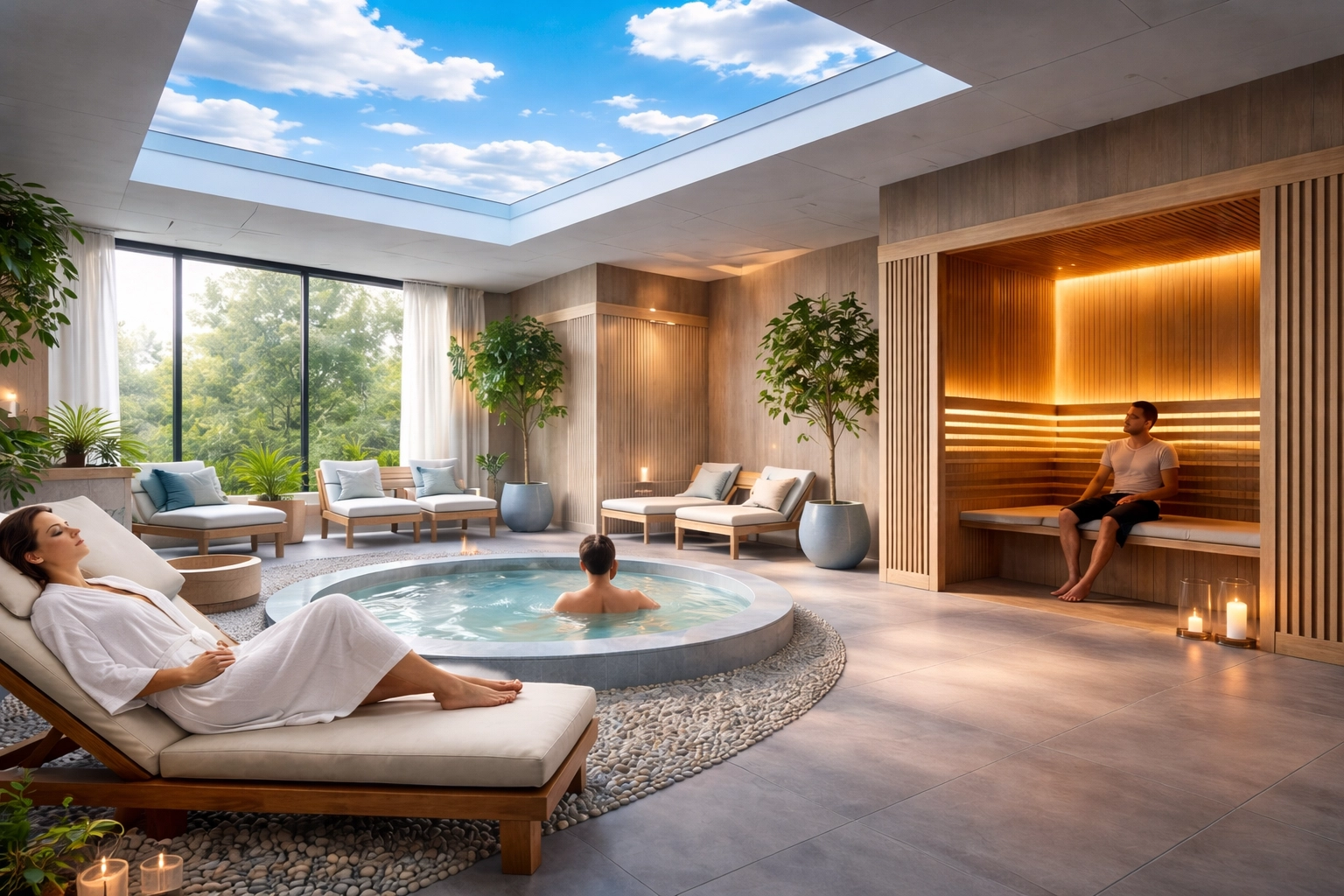
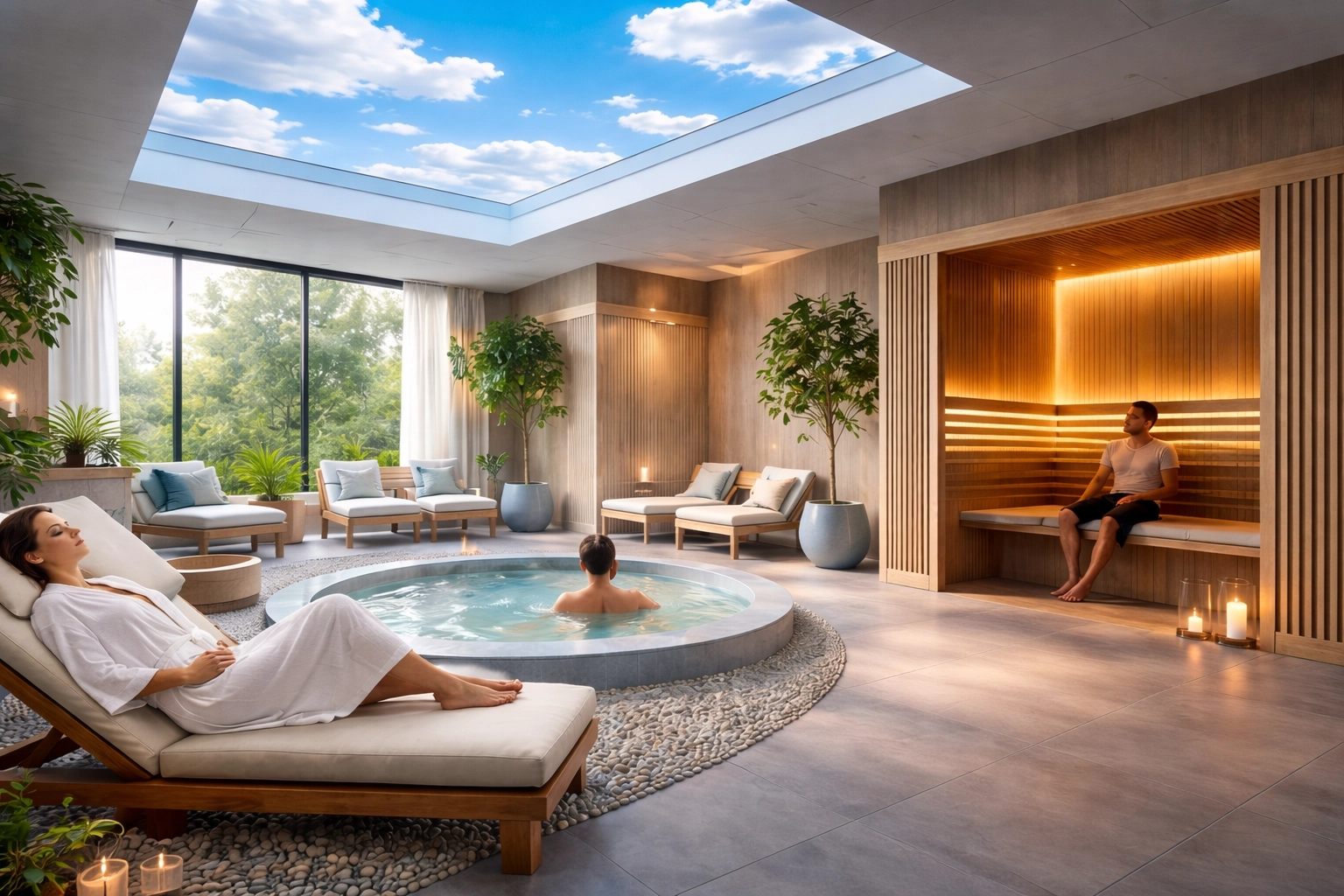
The fitness industry is experiencing a fundamental shift. For decades, gyms competed on equipment quantity, class variety, and square footage. Today? The smartest fitness centers are winning members with something entirely different: immersive recovery spaces that address what happens after the workout.
If you’re running a fitness center, wellness studio, or health club, this trend isn’t optional anymore: it’s the new standard. Let’s break down why recovery spaces are becoming the ultimate differentiator and how you can leverage this movement to transform your facility.
The Recovery Revolution: Why Post-Workout Matters More Than Ever
Here’s a reality check: your members aren’t just chasing gains anymore. They’re chasing balance. The modern fitness enthusiast understands that crushing a workout is only half the equation. Without proper recovery, you’re leaving results on the table: and risking burnout.
This shift has created a massive opportunity for fitness centers willing to invest in dedicated wellness rooms and recovery-focused amenities. Facilities like The Wellness Lab in Rochester, New York are already leading the charge, combining contrast therapy, infrared saunas, and elevated fitness offerings under one roof. Their philosophy? “Recovery meets ritual.”
The message is clear: fitness is no longer just about the sweat. It’s about the complete experience.
What Exactly Is an Immersive Recovery Space?
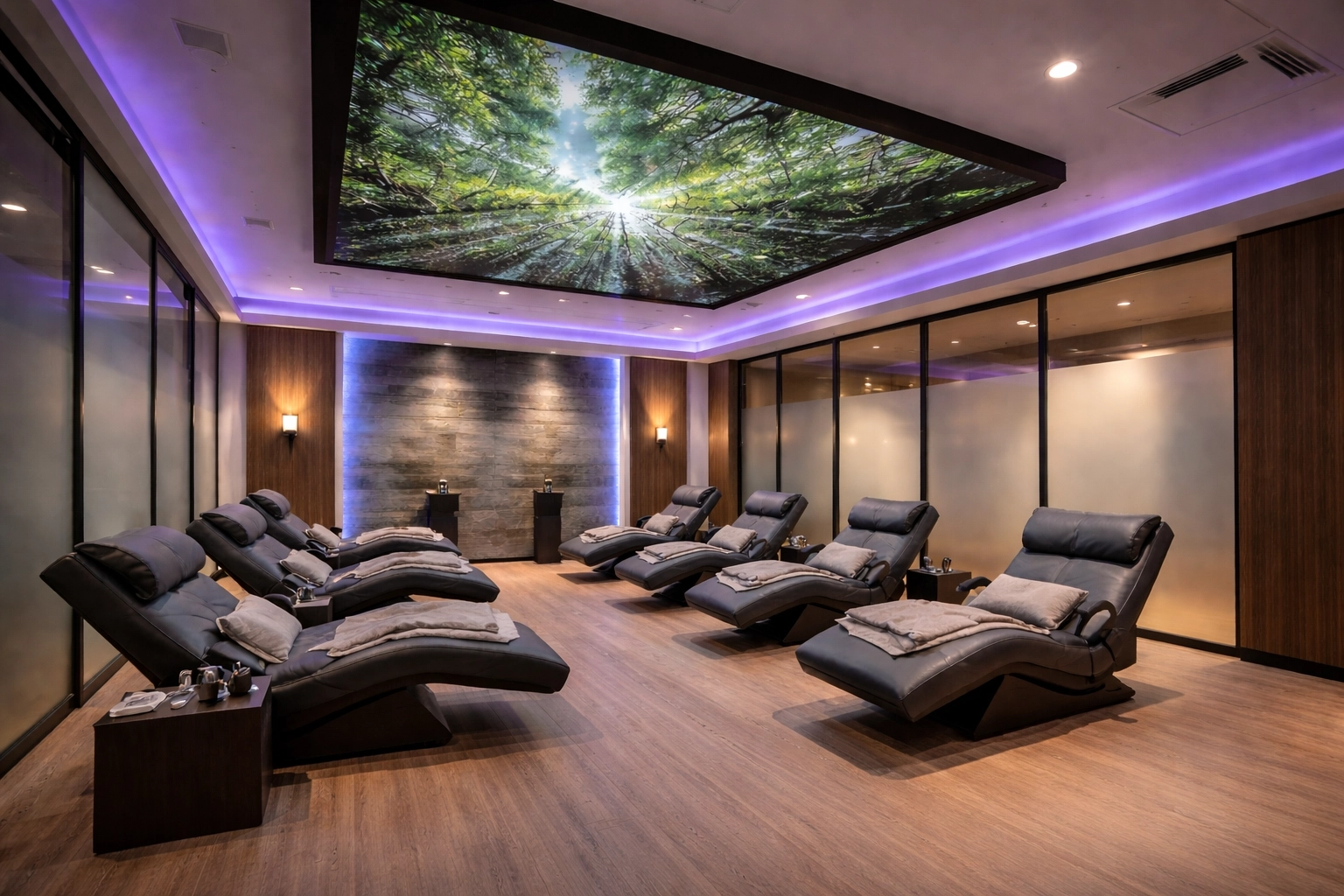
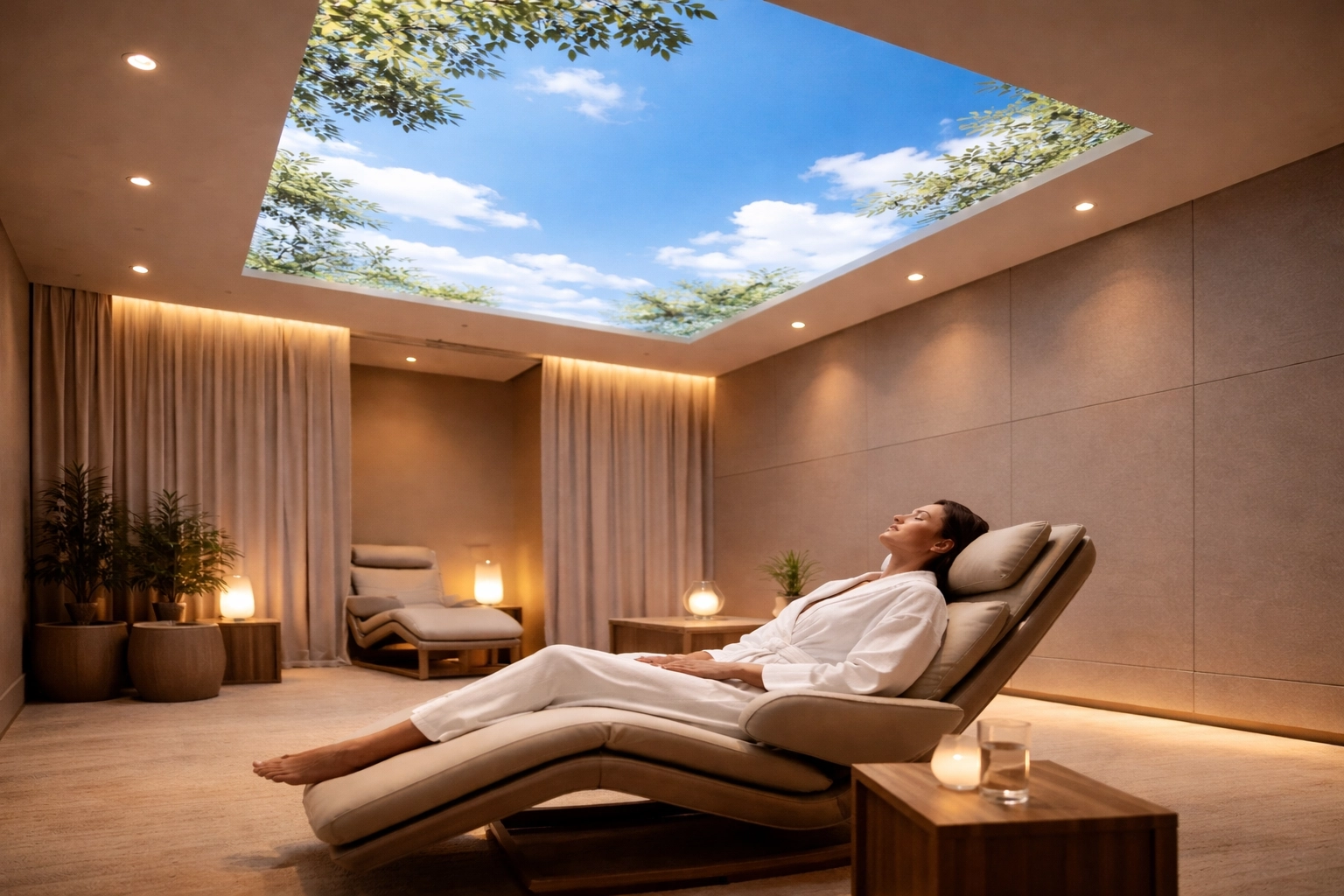
Think of an immersive recovery space as a sensory reset button for your members. These purpose-built relaxation rooms combine visual, auditory, and sometimes even olfactory elements to create an environment that actively promotes physical and mental restoration.
The key components typically include:
- Digital SkyLites or virtual skylights displaying calming nature scenes overhead
- Ambient lighting systems that shift through therapeutic color temperatures
- Curated soundscapes featuring nature sounds, binaural beats, or meditation tracks
- Comfortable seating designed for post-workout relaxation
- Climate control optimized for recovery (typically cooler temperatures)
Some facilities are taking it even further with “Bio-Hacking Rooms”: spaces that integrate red-light therapy, cold plunge access, and breathing exercises into the immersive environment. The goal is always the same: accelerate recovery while giving members a premium experience they can’t get at home.
The Science Behind Sensory Recovery
This isn’t just wellness fluff: there’s real science backing the effectiveness of immersive environments for recovery. A 2024 study published in Nature’s Scientific Reports found that exposure to forest environments significantly improves cognitive function and mood. The research demonstrated measurable improvements in mental clarity, stress reduction, and overall psychological well-being.
Here’s where it gets interesting for fitness center operators: you don’t need an actual forest. Digital nature visuals can trigger similar neurological responses. When members step into a recovery space featuring overhead displays of swaying trees, drifting clouds, or gentle streams, their nervous system begins shifting from “fight or flight” to “rest and digest.”
This transition is critical for:
- Muscle recovery – Reduced cortisol allows for better protein synthesis
- Mental restoration – Cognitive fatigue from intense training diminishes faster
- Sleep quality – Members who recover properly sleep better, train harder, and stay members longer
- Injury prevention – A relaxed nervous system means better body awareness and fewer preventable injuries
The bottom line? Immersive recovery spaces aren’t a luxury: they’re a performance tool.
Why Fitness Centers Need to Pay Attention Now
Let’s talk business. The fitness industry is more competitive than ever. Boutique studios, budget gyms, and at-home fitness apps are all fighting for the same members. So how do you stand out?
You create experiences that can’t be replicated at home.
A member can buy dumbbells for their garage. They can stream a cycling class on their tablet. What they can’t do is build a professional-grade recovery space with Digital SkyLites, therapeutic lighting, and curated soundscapes in their spare bedroom.
Immersive recovery spaces check every box for modern member retention:
- Perceived value – Members feel they’re getting more for their membership
- Differentiation – Your facility offers something the competition doesn’t
- Dwell time – Members stay longer, building community and habit
- Social proof – Recovery rooms are inherently “Instagrammable,” driving organic marketing
- Premium positioning – Justifies higher membership tiers or add-on services
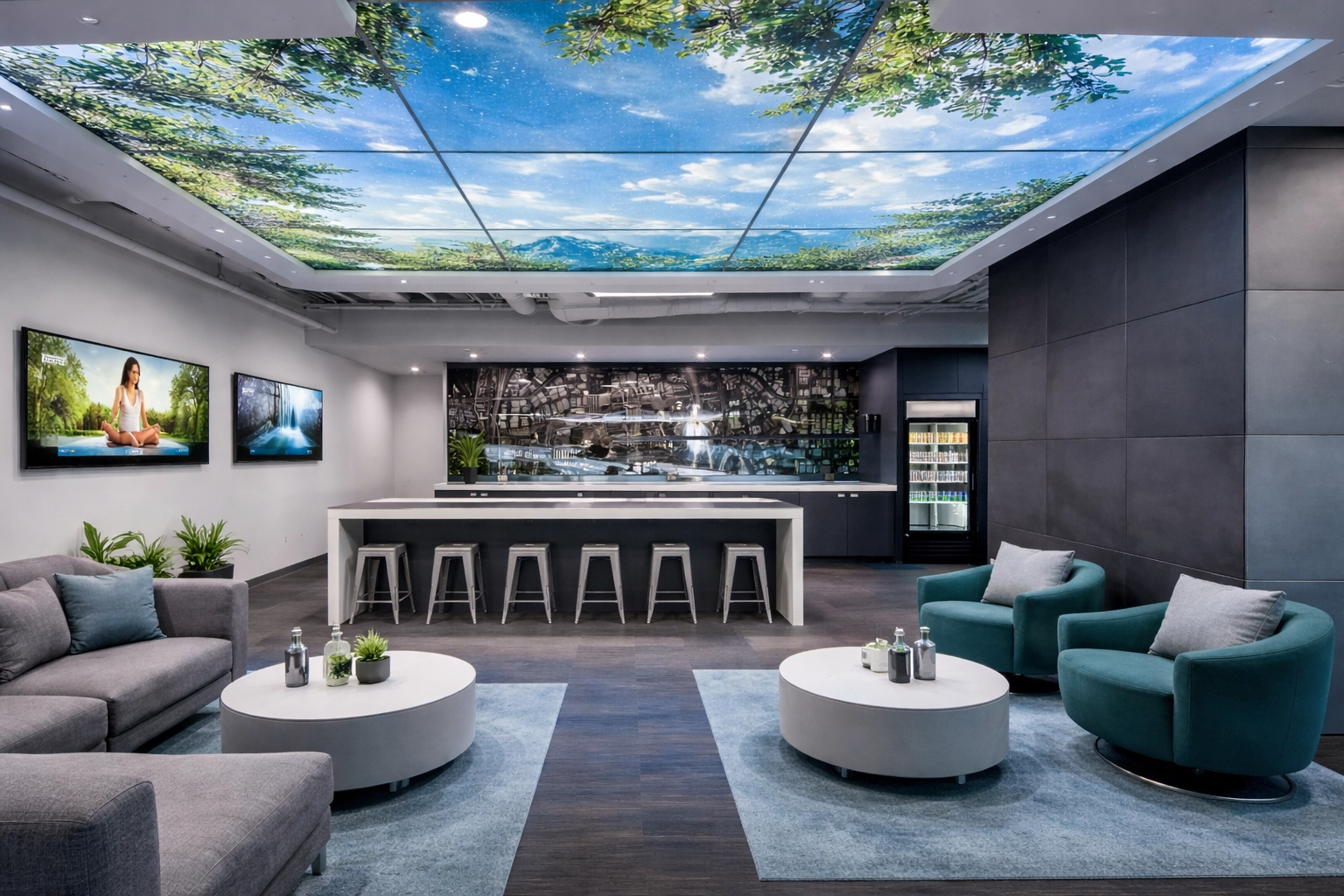
Designing Your Immersive Recovery Space: Key Considerations
Ready to build out your own wellness room? Here’s what you need to think through:
Location Within Your Facility
Place your recovery space away from high-traffic, high-energy zones. Members transitioning from an intense workout need a clear physical and psychological separation. Near the locker rooms or in a quiet corner works well. The journey to the space should feel like a decompression in itself.
Ceiling Technology
This is where the magic happens. Overhead displays: like Digital SkyLites: transform a standard room into an immersive environment. Nature content (forests, skies, underwater scenes) consistently outperforms abstract visuals for relaxation purposes. Make sure your content library is diverse enough to keep the experience fresh for regular users.
Lighting Design
Avoid harsh overhead fluorescents at all costs. Instead, incorporate:
- Dimmable LED panels with adjustable color temperature
- Indirect lighting that bounces off walls and ceilings
- Optional chromotherapy (color therapy) settings for targeted effects
Audio Environment
Sound is half the experience. Invest in quality speakers positioned to create an enveloping soundscape without being overwhelming. Give members the option of guided meditation, ambient nature sounds, or complete silence.
Seating and Layout
Zero-gravity recliners, meditation cushions, or even simple bean bags work well. The key is comfort without encouraging sleep (unless that’s your intention). Leave enough space between seating positions so members feel they have privacy.
Real-World Implementation: Getting Started
You don’t need to build a 2,000-square-foot wellness wing to get started. Many fitness centers are converting underutilized spaces: old storage rooms, small group fitness studios, or even large closets: into intimate recovery zones.
Here’s a practical roadmap:
- Audit your space – Identify 200-500 square feet that could be repurposed
- Define your experience – Decide if you’re going full “Bio-Hacking Room” or starting with a simpler relaxation lounge
- Partner with the right technology provider – Work with companies that specialize in digital signage solutions and immersive environments
- Train your staff – Your team should be able to explain the benefits and guide members through using the space
- Market the experience – Feature your new recovery space prominently in tours, social media, and membership materials
The Competitive Edge You Can’t Ignore
The fitness centers thriving in 2026 and beyond are the ones recognizing a simple truth: members want holistic wellness, not just workout equipment. They want to feel better when they leave than when they arrived: not just physically, but mentally and emotionally.
Immersive recovery spaces deliver exactly that. They transform a transactional gym visit into a restorative ritual. They give members a reason to stay longer, come back more often, and tell their friends.
The technology exists. The research supports it. The member demand is there. The only question is whether your fitness center will lead this movement or play catch-up.
If you’re ready to explore how Digital SkyLites and immersive technology can elevate your facility’s recovery offerings, Norvision specializes in creating these exact environments. From concept to installation, the right partner makes all the difference in building a recovery space your members will never forget.