
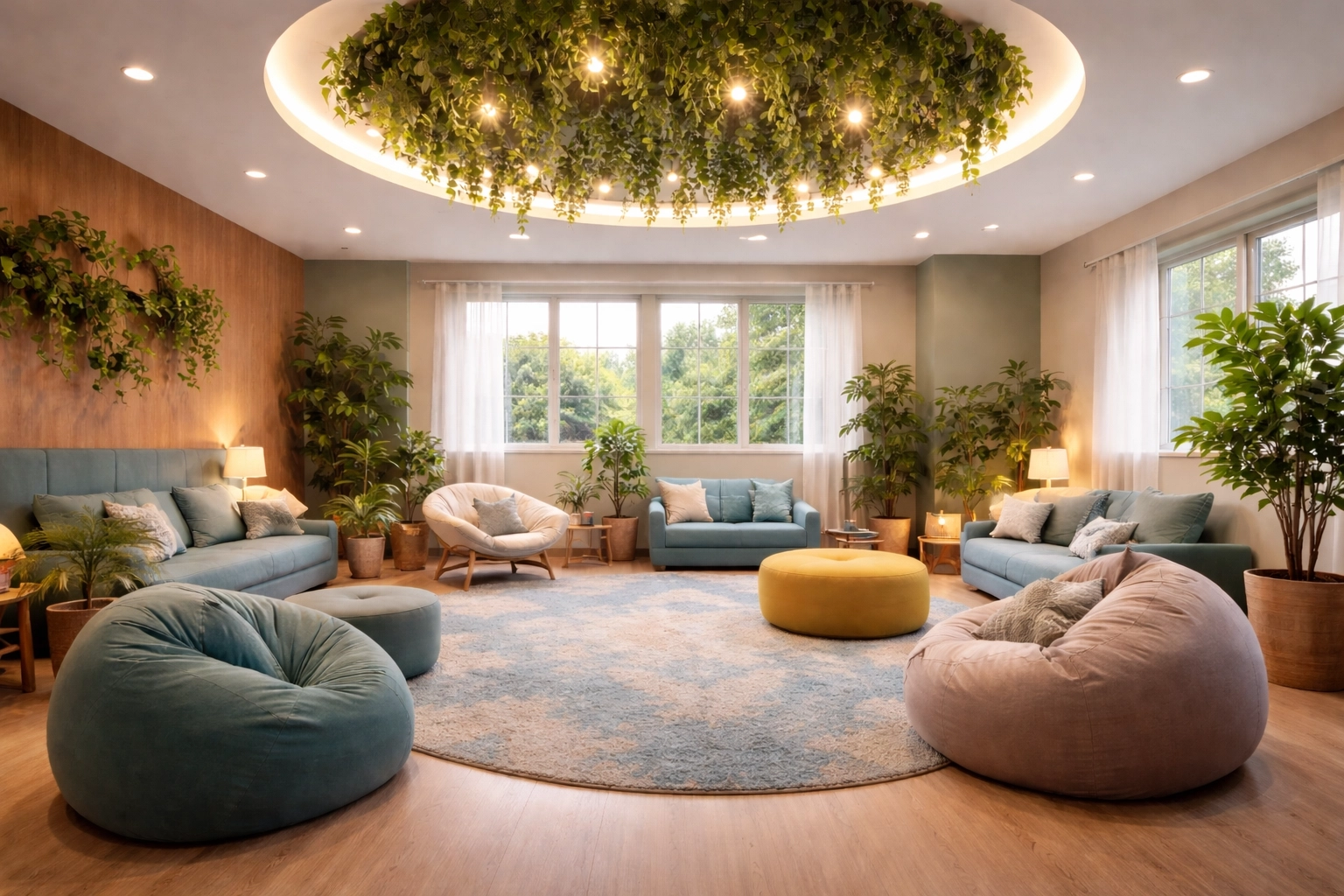
Mental health challenges among students and educators have reached unprecedented levels. Anxiety, burnout, and chronic stress are no longer occasional concerns: they’re daily realities in schools across the country. If you’re an administrator, educator, or facilities planner looking for meaningful solutions, it’s time to consider what a dedicated calming room or relaxation space can do for your school community.
These aren’t just “nice-to-have” additions. They’re strategic investments in student success and staff retention. Let’s explore how immersive decompression spaces: powered by technology like Digital SkyLites: are transforming educational environments from K-12 through university settings.
The Mental Health Crisis in Education
Here’s the reality: students today face more pressure than any previous generation. Academic demands, social media, family stressors, and global uncertainty have created a perfect storm of anxiety. Teachers aren’t immune either: educator burnout rates have skyrocketed, with many leaving the profession entirely.
Traditional approaches aren’t cutting it anymore. Guidance counselors are overwhelmed. Classroom interventions can only go so far. Schools need dedicated physical spaces where both students and staff can reset, regulate, and return to their day with renewed focus.
That’s where immersion rooms and wellness spaces come in.
What Exactly Is a Decompression Space?
A decompression space is a designated area within a school designed specifically for stress relief and emotional regulation. Think of it as a mental health pit stop: a place where an anxious student can calm their nervous system before a big test, or where a teacher can take a 10-minute breather between challenging classes.
These spaces go by many names:
- Calming rooms
- Wellness rooms
- Relaxation spaces
- Sensory rooms
- Reset rooms
Whatever you call them, the goal is the same: create an environment that actively promotes calm, focus, and emotional recovery.
Why Decompression Spaces Work: The Science
When stress hits, your brain’s amygdala takes over. It’s the fight-or-flight response: great for escaping predators, not so great for taking a math exam. A well-designed calming room gives the amygdala time to settle down, allowing the prefrontal cortex (the part responsible for reasoning, problem-solving, and impulse control) to come back online.
Schools that have implemented these spaces report:
- Decreased negative behavior in classrooms
- Improved concentration and productivity after restorative breaks
- Increased attendance: students have an alternative to leaving campus when overwhelmed
- Better emotional regulation skills that students carry into adulthood
Research from Harvard has shown that biophilic design in virtual environments can significantly reduce stress and improve cognitive function. This is why bringing nature indoors: even digitally: is so powerful.
Benefits for Students
Academic Performance Gets a Boost
Students who use wellness rooms return to class with clearer minds and renewed energy. They’re not just “taking a break”: they’re actively resetting their cognitive capacity. One school in Utah found that providing free access to a wellness center actually increased attendance because students had a healthy coping option instead of leaving school entirely.
Support for Diverse Learning Needs
A relaxation space provides critical support for students with:
- Anxiety disorders
- Sensory processing challenges
- Learning differences
- Trauma backgrounds
- ADHD and attention difficulties
These students often need a quiet, controlled environment to regulate before they can engage academically. A dedicated space removes the stigma and makes support accessible.
Social-Emotional Learning in Action
Calming spaces create natural settings for developing life skills like mindfulness, self-awareness, and empathy. When students learn to recognize their stress signals and take appropriate action, they’re building emotional intelligence that serves them far beyond graduation.
Benefits for Staff
Let’s be honest: you can’t pour from an empty cup. When teachers and staff are burned out, students feel it. A dedicated wellness space shows your team they’re valued and gives them practical tools to manage daily stress.
The results speak for themselves:
- Decreased staff stress levels
- Boosted morale and job satisfaction
- Fewer sick days
- Better modeling of emotional regulation for students
When your staff is healthy and fulfilled, they bring their best selves to the classroom. That’s a win for everyone.
Key Design Elements for Effective Calming Rooms
Not all relaxation spaces are created equal. Here’s what makes the difference between a glorified storage closet and a truly transformative immersion room:
1. Comfortable, Inviting Furniture
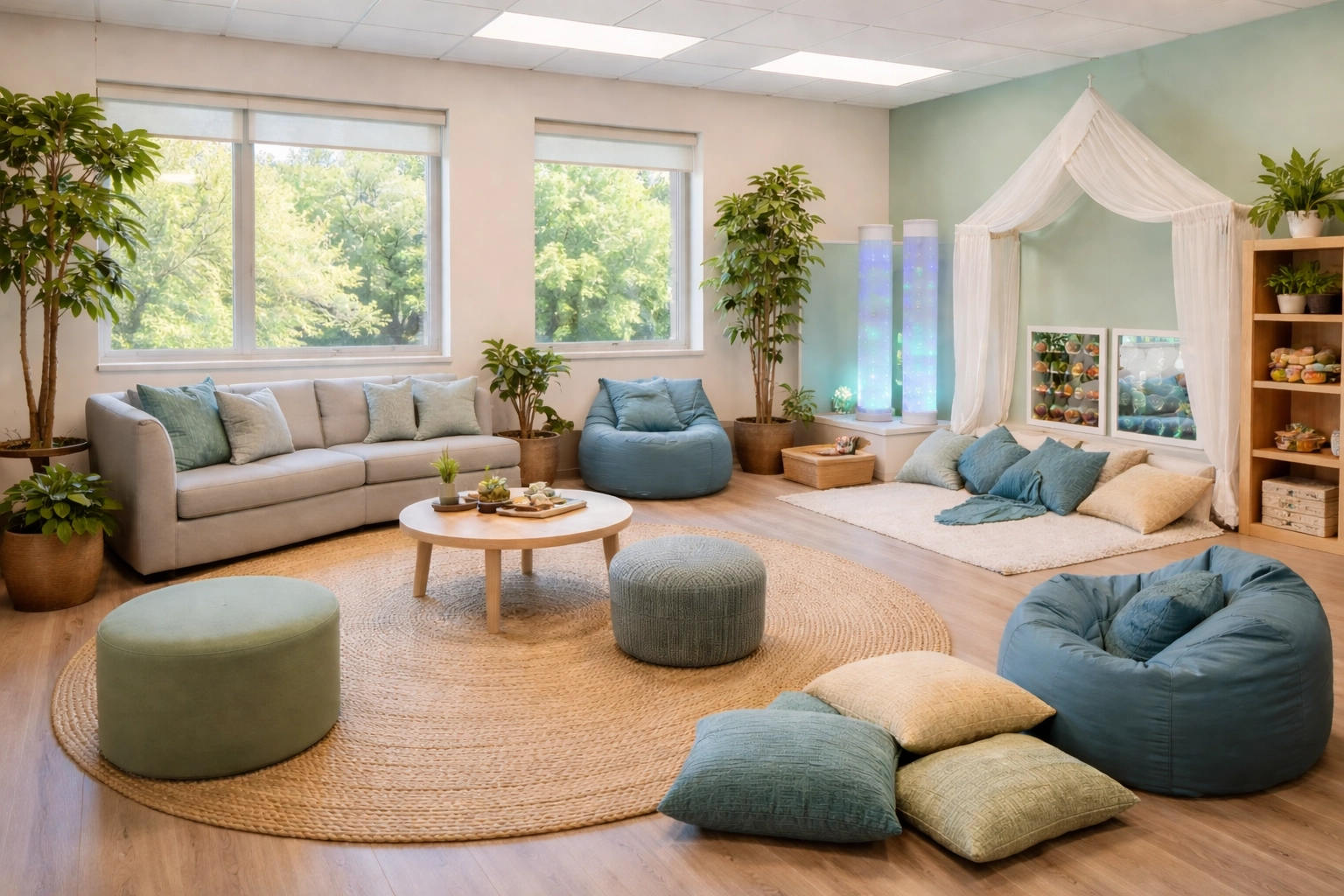
Choose pieces with curved or round edges: bean bag chairs, fabric ottomans, and soft seating options. Sharp angles create subconscious tension. Soft shapes promote relaxation. Privacy chairs can offer acoustic isolation for students who need complete quiet.
2. Sensory Elements
Layer multiple calming inputs:
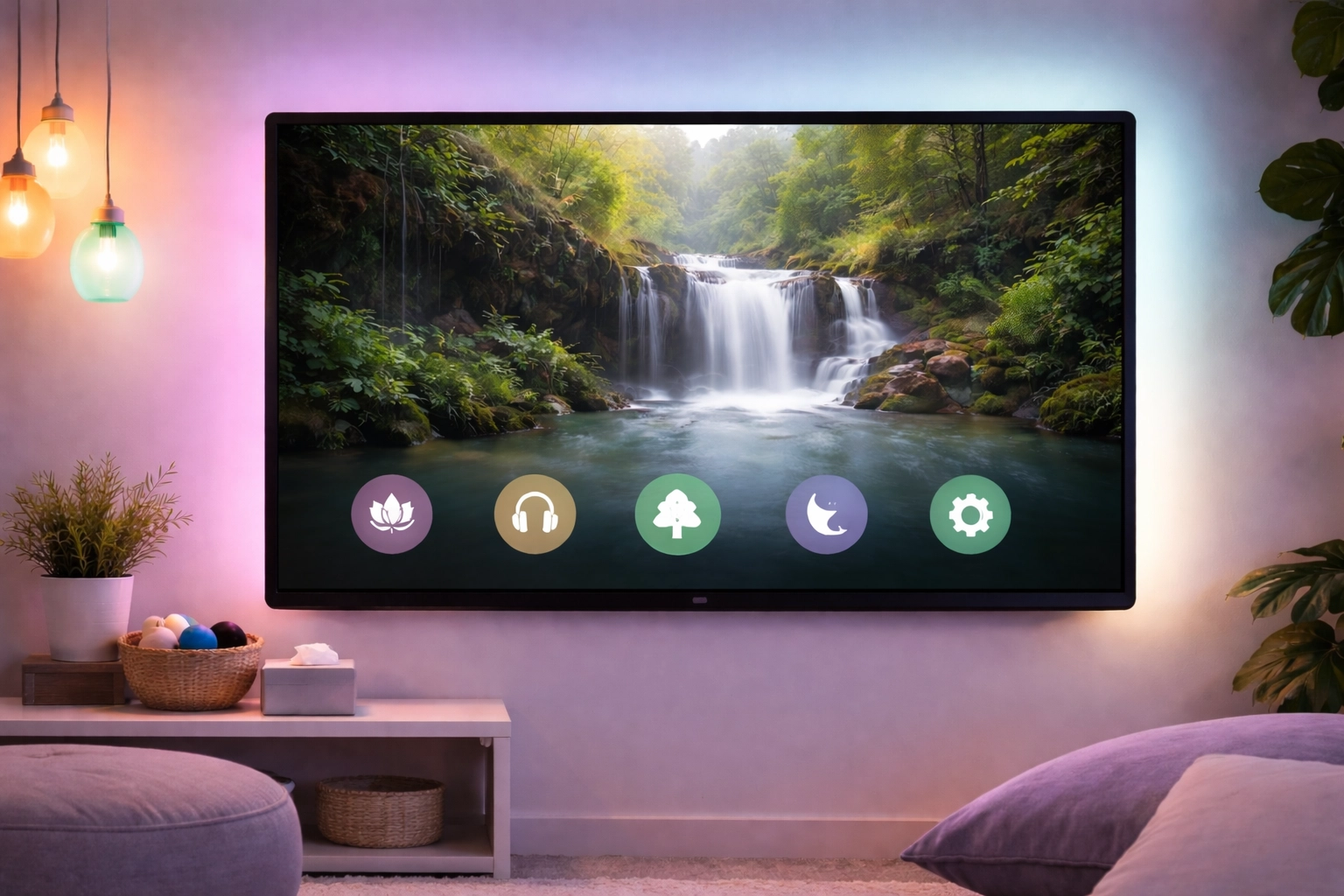
- Soothing background music or nature sounds
- Pleasant, subtle aromas (lavender, eucalyptus)
- Soft, adjustable lighting
- Tactile objects like stress balls or weighted blankets
3. Biophilic Design
This is where things get exciting. Biophilic design incorporates natural elements to promote healing and stress reduction. Plants, wood textures, stone accents, and nature-themed artwork all help: but what about windowless spaces?
That’s where Digital SkyLites come in.
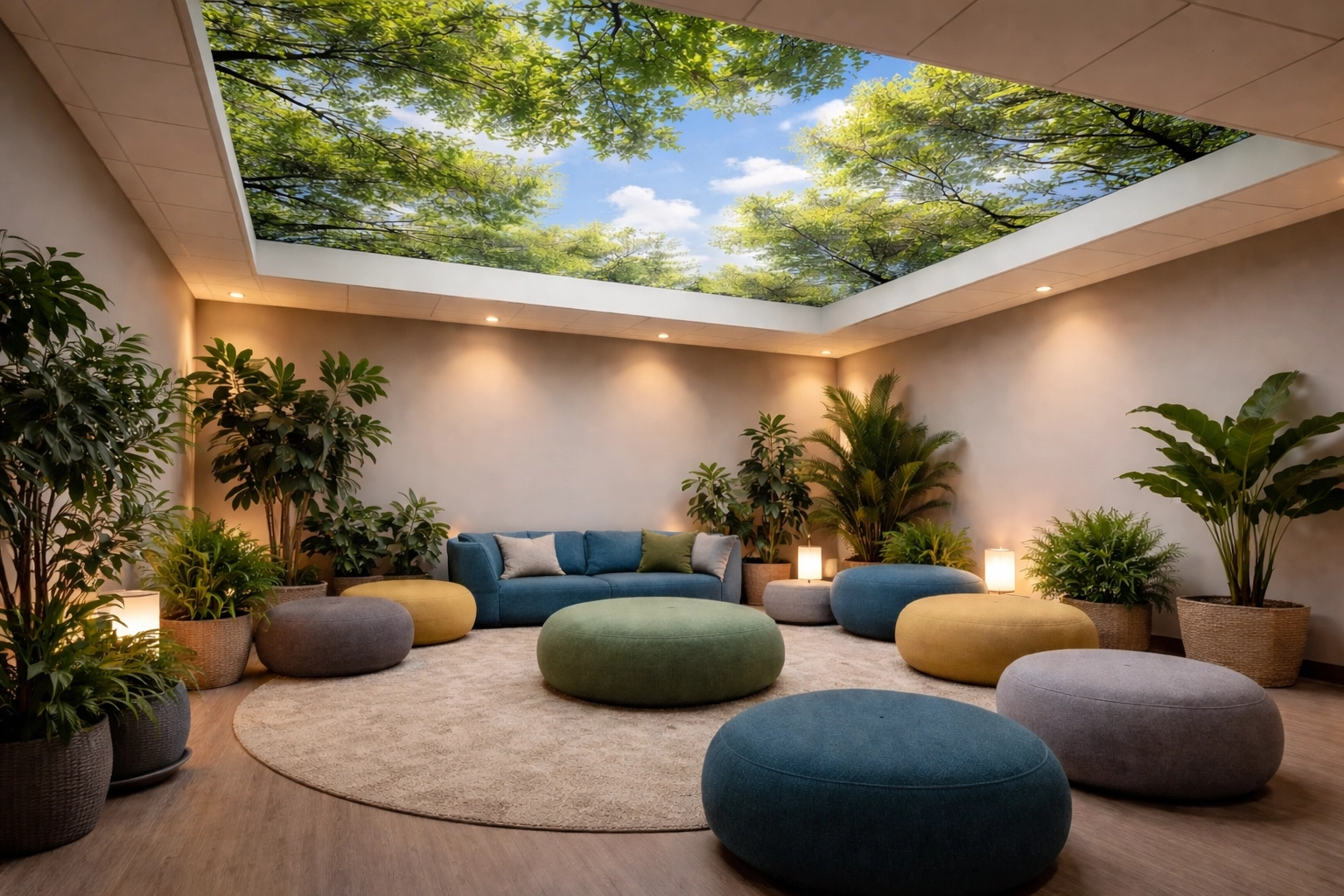
Digital SkyLites: Bringing Nature to Windowless Spaces
Many schools face a common challenge: the rooms available for wellness spaces have no windows. Basement classrooms, interior offices, converted storage areas: these spaces lack natural light and any connection to the outdoors.
Digital SkyLites solve this problem by creating immersive ceiling displays that simulate natural environments. Imagine a student lying back in a comfortable chair, looking up at a realistic sky with drifting clouds, or a forest canopy with sunlight filtering through leaves.
This isn’t just decoration. It’s biophilic design backed by research showing that even virtual nature exposure:
- Lowers cortisol (stress hormone) levels
- Reduces heart rate and blood pressure
- Improves mood and cognitive function
- Creates a sense of spaciousness in enclosed areas
The technology allows schools to transform any room into a calming sanctuary without expensive renovations or architectural changes. You can learn more about how digital signage transforms internal communication across various environments.
Implementation Best Practices
Ready to create a decompression space in your school? Here’s your roadmap:
1. Involve Stakeholders Early
Bring together educators, counselors, administrators, students, and parents in the planning process. Their input ensures the space meets actual needs rather than assumptions.
2. Choose the Right Location
Look for spaces that are:
- Easily accessible but not in high-traffic areas
- Private enough for students to feel safe
- Large enough to accommodate multiple users without crowding
3. Establish Clear Guidelines
Create simple protocols for:
- How students access the space (pass system, self-referral, teacher referral)
- Time limits to ensure availability
- Appropriate behaviors within the space
- Staff supervision requirements
4. Train Your Team
Ensure teachers and staff understand the purpose of the space and how to guide students in using it effectively. This isn’t punishment or reward: it’s a wellness tool.
5. Evaluate and Adapt
Collect feedback regularly. What’s working? What isn’t? Every school community is different, and your space should evolve based on real-world use.
Making the Investment
Creating an effective relaxation space doesn’t require a massive budget. Start with the essentials: comfortable seating, soft lighting, and sensory tools. As resources allow, add technology like Digital SkyLites to maximize the biophilic impact.
The return on investment shows up in:
- Reduced disciplinary incidents
- Improved test scores and academic performance
- Higher staff retention rates
- Stronger school culture and community
Your Next Step
If you’re serious about supporting student and staff mental health, a dedicated calming room isn’t optional anymore: it’s essential. The good news? You don’t have to figure it out alone.
At Norvision, we specialize in creating immersive digital environments that transform ordinary spaces into extraordinary experiences. Whether you’re retrofitting a windowless classroom or designing a brand-new wellness center, we can help you bring the calming power of nature indoors.
Ready to explore what’s possible for your school? Let’s talk about creating a stress-free space your entire community will benefit from.