


If you're running a foundation, hospital, university, or nonprofit, you've probably asked yourself this question at least once: how do we properly recognize the people who make our mission possible?
For decades, the answer was simple: engrave their names on a plaque and mount it on a wall. But in 2026, the landscape of donor recognition has shifted dramatically. Interactive donor walls and digital donor wall solutions are now competing head-to-head with traditional static recognition walls. And the choice you make can significantly impact your donor retention, engagement, and even your bottom line.
So which option is actually better for your foundation? Let's break it down.
What Are We Actually Comparing?
Before we dive into the pros and cons, let's make sure we're on the same page about what each option actually is.
Static recognition walls are what most people picture when they think of donor recognition. These are the traditional brass plaques, engraved marble slabs, or wooden displays that list donor names in a permanent, physical format. They've been the gold standard for decades: elegant, dignified, and timeless.
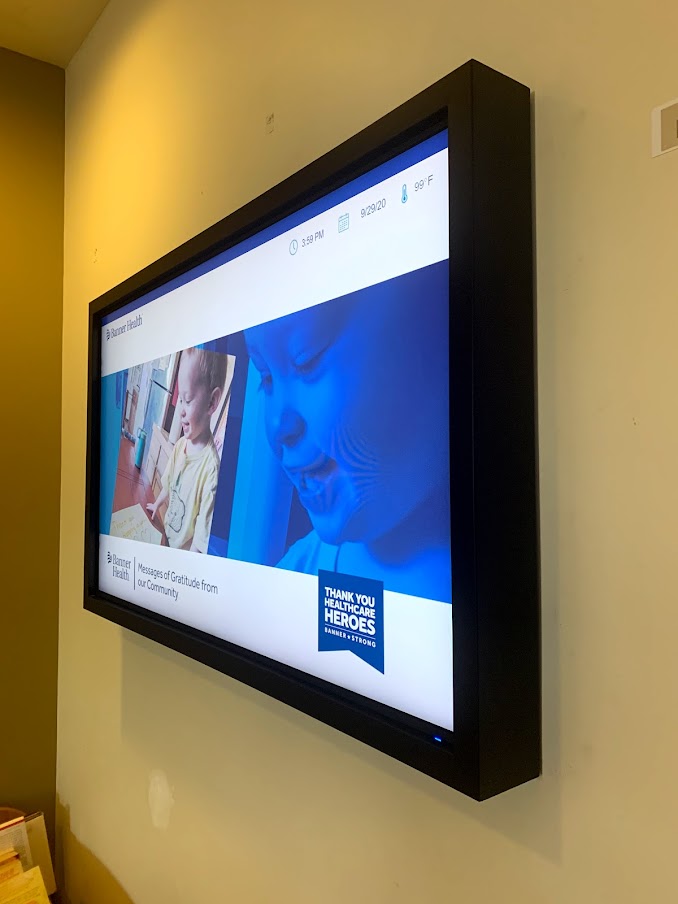
Interactive donor walls (also called digital donor walls) are screen-based displays that showcase donor information dynamically. These can include touchscreen capabilities, rotating content, video testimonials, real-time donation tracking, and much more. They transform donor recognition from a static list into a living, breathing experience.
The Financial Reality: Upfront vs. Long-Term Costs
Let's talk money first, because budgets matter.
Traditional static walls seem cheaper at first glance. You're looking at roughly $75-300 per plaque plus $50-150 in installation labor per donor. Not bad, right? But here's where it gets tricky:
- Corrections are expensive. Spelled a name wrong? That's a complete replacement.
- Space runs out fast. When your wall fills up, expansion can cost $15,000-40,000.
- Updates require physical labor. Every new donor means coordinating with fabricators and installers.
Organizations typically spend 40-60 hours annually just coordinating updates and redesigns every 5-7 years.
Interactive donor walls require a higher upfront investment: no way around that. But here's the thing: once installed, updates are instant and cost nothing. No fabrication fees, no installation labor, no space constraints. Your donor list can grow infinitely through rotating screens and interactive features.
Over a 5-10 year period, the math typically favors digital solutions, especially as your donor base grows.
Donor Engagement: Where Digital Really Shines
This is where the gap between the two options becomes most obvious.
Static walls present a fundamental problem: they display elegant lists of names without context, storytelling, or emotional resonance. Visitors see names, but they don't learn who these donors are or how their support made a difference. It's recognition, but it's not engaging.
Interactive donor walls flip this script entirely. Research shows that organizations displaying real-time donation activity can see contributions increase by up to 10% compared to static recognition methods. Why? Because digital walls do more than list names: they tell stories.
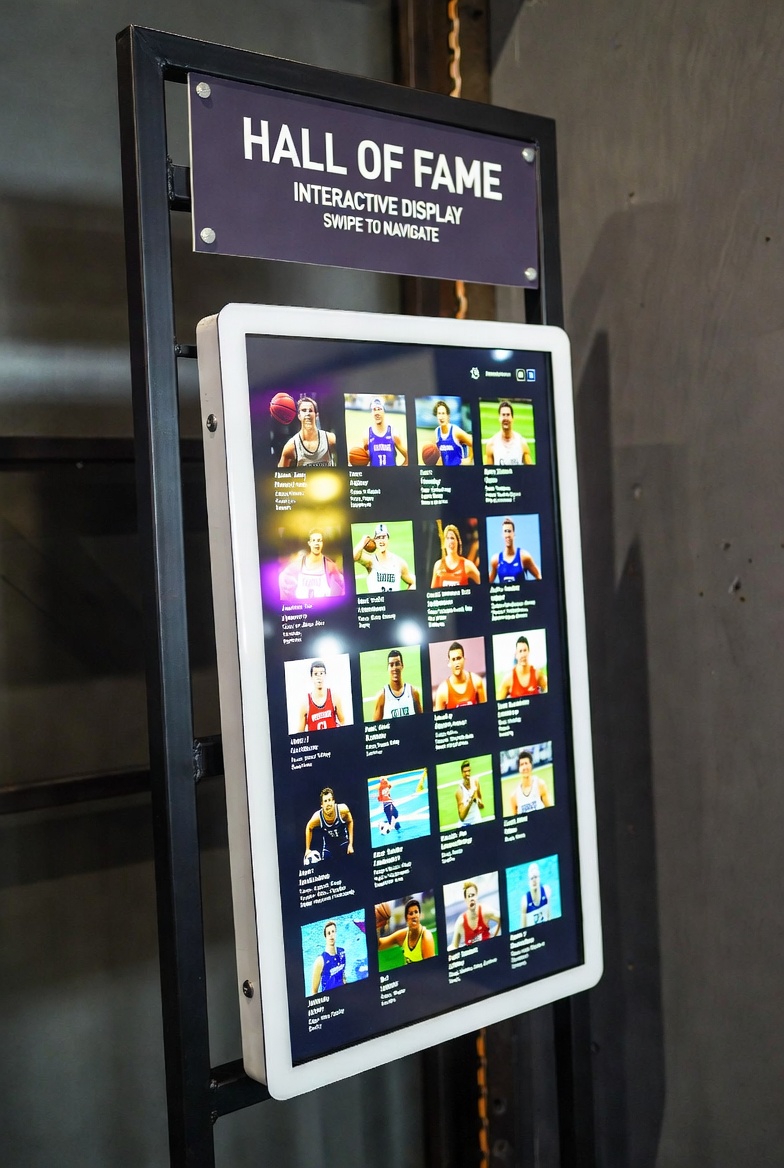
Here's what an interactive donor wall can do that a static wall simply can't:
- Immediate acknowledgment. Donors appear on displays within minutes or hours of contributing, reinforcing their decision while the emotional connection is still fresh.
- Storytelling capabilities. Video testimonials, impact stories, and program highlights bring donor contributions to life.
- Interactive exploration. Visitors can tap to learn more about specific donors, campaigns, or initiatives.
- Real-time campaign tracking. Watch fundraising goals progress in real-time, creating urgency and excitement.
- Gamification elements. Leaderboards, milestones, and challenges can drive friendly competition among donors.
The data backs this up: 63% of donors give multiple times when recognized meaningfully, and timely recognition is a key factor in that equation.
Operational Advantages You Might Not Have Considered
Beyond engagement, digital donor walls solve a lot of operational headaches that foundations deal with constantly.
Unlimited capacity. Physical walls have finite space. Digital walls can accommodate thousands of donors in a compact footprint through rotating content and searchable databases.
Remote accessibility. Many interactive donor wall systems include web-based companion platforms and mobile applications. Your donors can see their recognition from anywhere in the world: not just when they visit your building.
Analytics and insights. Digital systems track visitor engagement, revealing which content attracts repeat interaction and how different demographics respond to your displays. This data can inform your entire development strategy.
Flexibility for campaigns. Running a capital campaign? Launch a themed display. Celebrating an anniversary? Showcase your founding donors. With static walls, you're locked into one presentation forever.

When Static Walls Still Make Sense
Now, I'm not going to tell you that interactive donor walls are always the right choice. That wouldn't be honest.
Some donors genuinely prefer the permanence of traditional engraved plaques. There's something psychologically powerful about knowing your name is carved in stone (or brass) that will outlast technology cycles. For certain donor demographics: particularly older major gift donors: this permanence carries significant emotional weight.
Static walls also have zero technology dependencies. Once installed, they work. No software updates, no technical maintenance, no concerns about screens failing or systems crashing.
If your foundation serves a donor base with strong traditional preferences, or if you're recognizing a small, fixed group of donors (like founding members or a single capital campaign), static recognition might be the simpler choice.
The Hybrid Approach: Best of Both Worlds
Here's what many of our clients at Norvision end up doing: they combine both approaches strategically.
The formula typically looks something like this:
- Interactive digital donor wall for the main recognition display, handling the bulk of your donor list with dynamic, engaging content
- Selective permanent recognition for your most significant donors: founding members, naming rights contributors, or legacy gifts
This hybrid model gives you the engagement benefits of digital technology while still honoring donors who value permanence. It's not an either/or decision.
Making the Right Choice for Your Foundation
So which is better? Here's the honest answer: it depends on your specific situation. But for most modern foundations, interactive donor walls deliver substantially greater value across nearly every metric that matters.
Consider going digital if:
- Your donor list is growing (or you want it to)
- You want to tell stories, not just list names
- You run multiple campaigns throughout the year
- You value data and analytics
- You want to reduce long-term operational costs
- Your audience expects modern, interactive experiences
Consider staying traditional if:
- You have a small, fixed donor group
- Your primary donors strongly prefer permanent recognition
- You have limited technical infrastructure
- Your recognition needs won't change over time
The reality is that modern audiences expect visual, interactive, and human-centered digital experiences. A static wall of names, no matter how beautifully crafted, simply can't compete with the engagement potential of an interactive donor wall that brings your community's generosity to life.
Ready to Explore Your Options?
At Norvision, we've helped foundations, hospitals, and nonprofits implement donor recognition walls that actually move the needle on donor engagement and retention. Whether you're leaning toward a fully interactive solution or a hybrid approach, we can help you figure out what makes sense for your specific situation.
The question isn't really "which is better": it's "which is better for you." And that's a conversation worth having.