
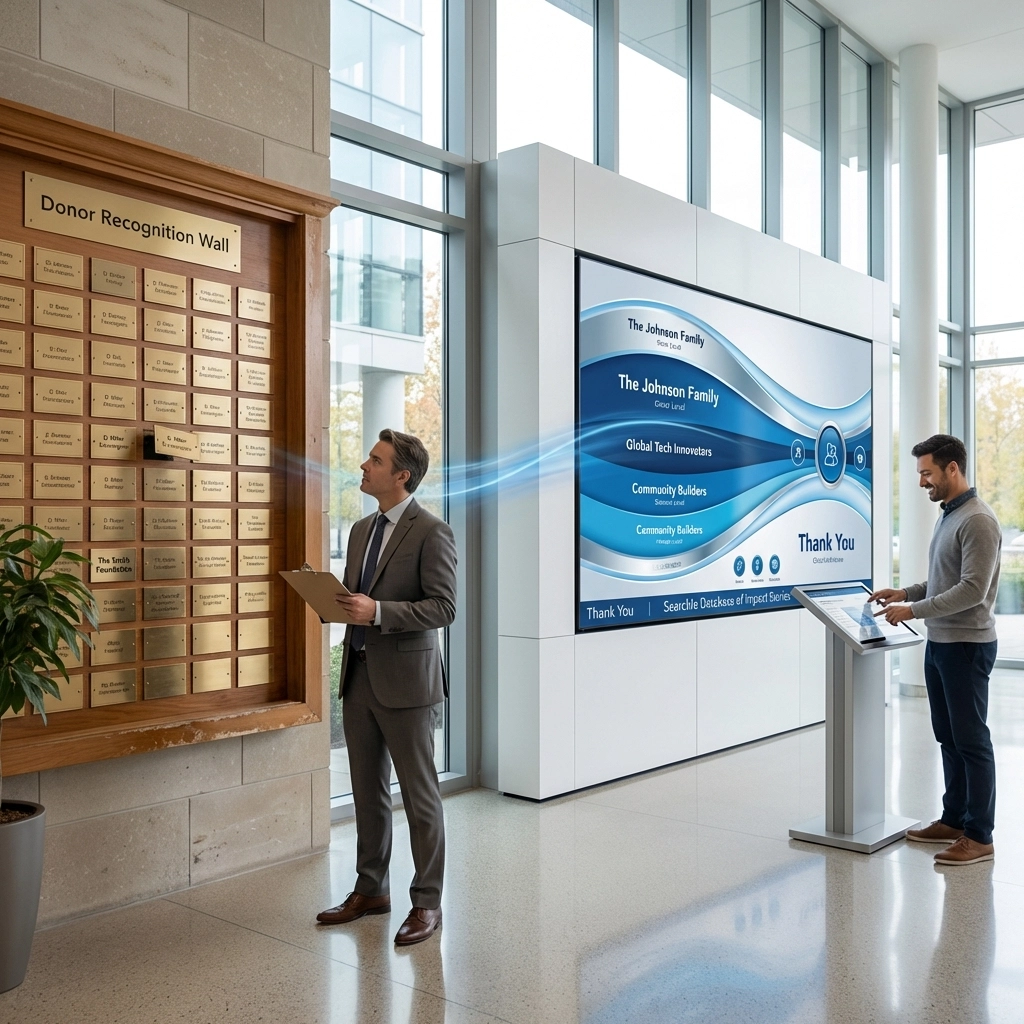
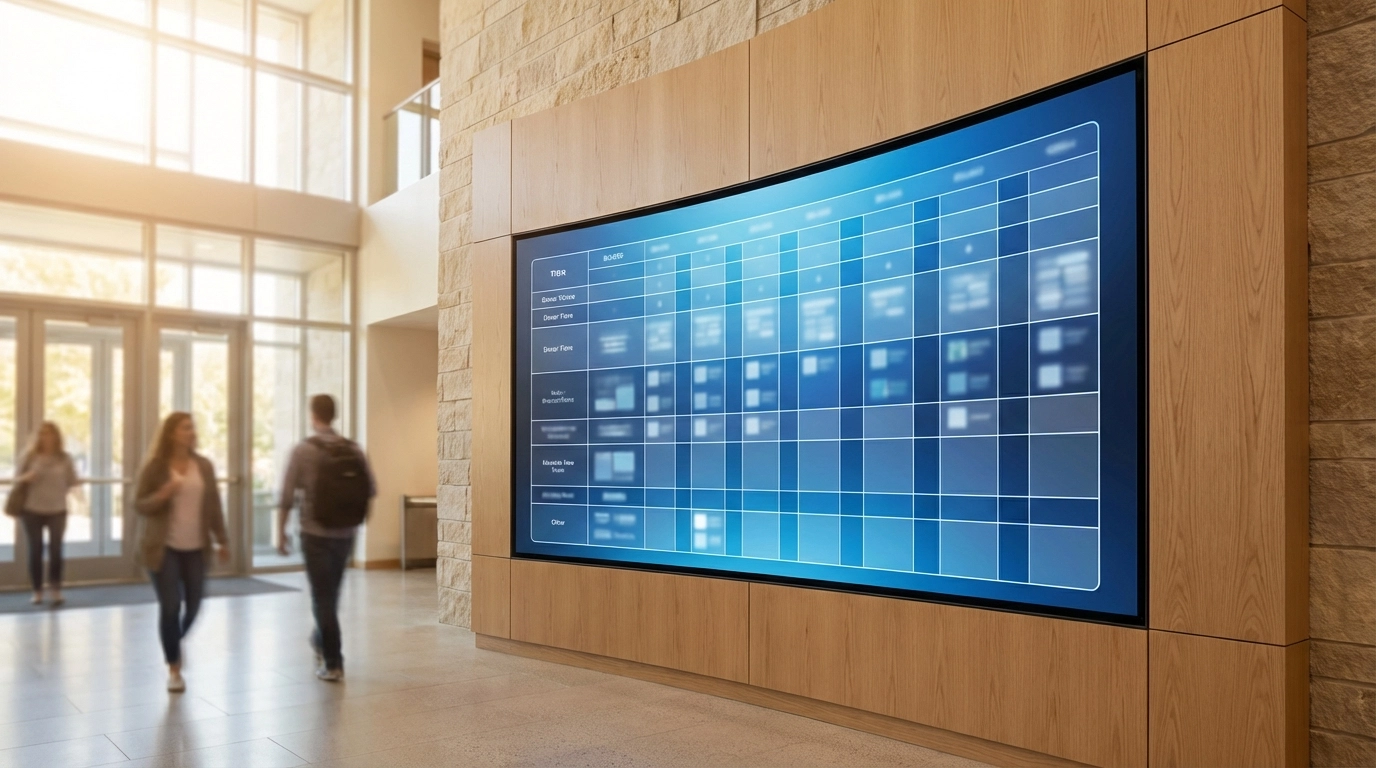
After working with hundreds of nonprofits, healthcare systems, and educational institutions over the past decade, we’ve seen the same donor recognition challenges surface time and again. Organizations invest thousands in beautiful donor walls, only to discover they’ve created problems that actually hurt their fundraising efforts.
The good news? Every single one of these mistakes has a digital solution that not only fixes the problem but transforms donor recognition into a powerful engagement tool.
Let’s dive into the seven most common mistakes we see: and how digital donor walls solve them completely.
Mistake #1: Running Out of Space and Removing Historical Donors
Your traditional donor wall looked perfect when it was installed. Fast forward three years, and you’re facing an impossible choice: remove previous donors to make room for new ones, or tell new donors there’s no space for recognition.
This is the most destructive mistake organizations make. When you remove donor recognition, you’re essentially telling past supporters their contributions no longer matter. We’ve seen nonprofits lose major donors over this exact issue.
How Digital Fixes It:
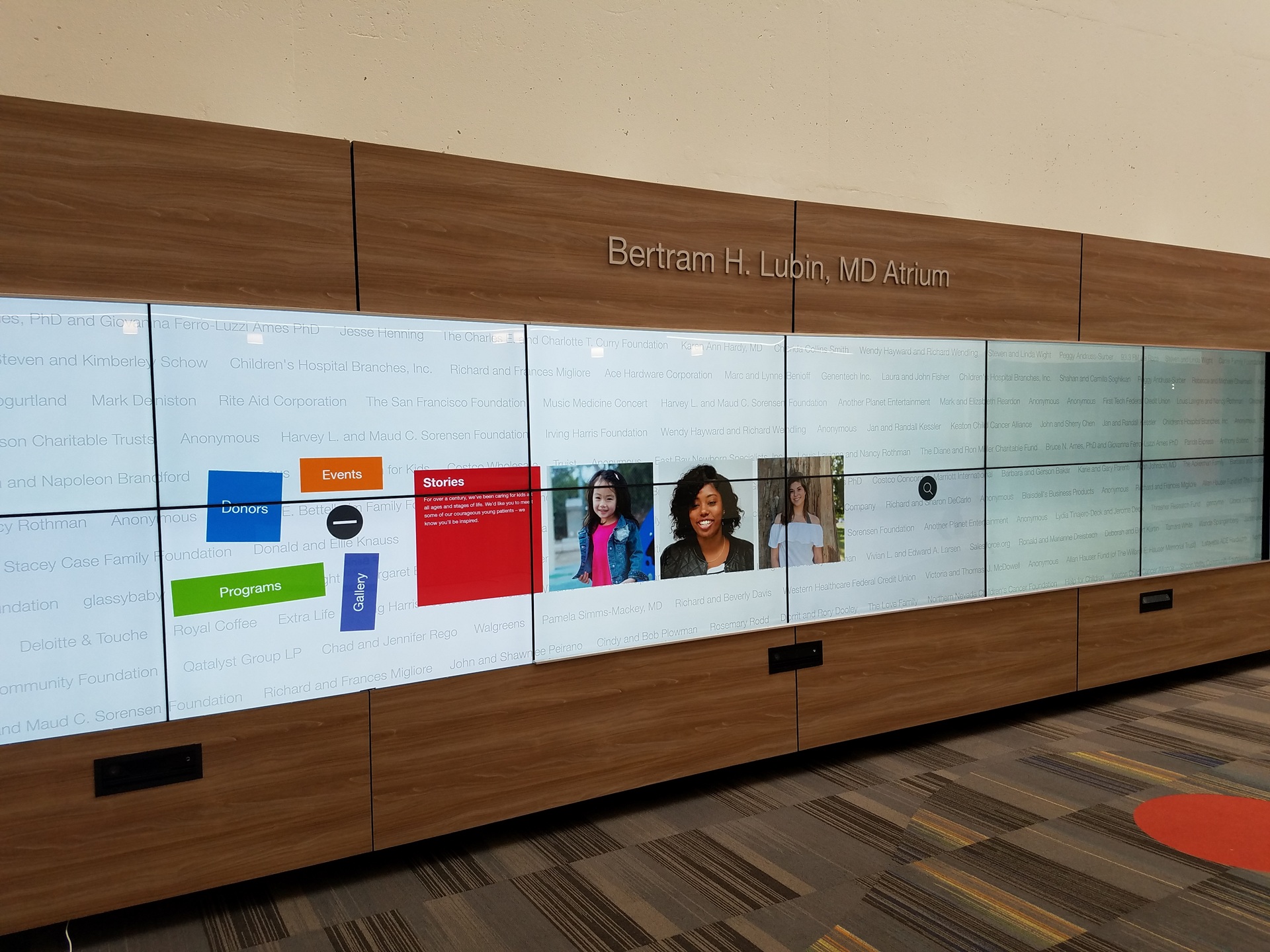
Digital donor walls offer unlimited recognition capacity. You never have to choose between honoring past and present supporters. Every contributor at every giving level can be recognized permanently, with new donors added instantly without displacing anyone.
Mistake #2: Waiting Months for Engraving Updates
Traditional donor walls require engraving, manufacturing, and installation for every update. This means donors who give today might not see their recognition for 6-12 weeks. In our instant gratification world, that delay sends the wrong message about how much you value their contribution.
The process is equally frustrating for your development team. You’re managing vendor relationships, approval processes, and installation schedules just to add a donor name.
How Digital Fixes It:
Digital systems integrate directly with your fundraising database. When a donation is processed, the donor’s recognition appears automatically: often within 24 hours. No engraving delays, no vendor coordination, no installation scheduling. Your donors see immediate appreciation for their generosity.
Mistake #3: Making Content Updates a Technical Nightmare
We regularly hear from organizations where only one person knows how to update the donor wall. When that person leaves or is unavailable, donor recognition stops completely. This creates unnecessary bottlenecks and stress for your development team.
Mistake #3.5: Lack of Transparency (No Ongoing Impact Updates)
If your donor wall is basically a one-time “thank you” with no follow-up, you’re missing a huge stewardship lever. Donors want to know what happened because of their gift—what moved, what changed, what their money actually did.
How Digital Fixes It:
Digital donor recognition lets you rotate in impact metrics, photos, short videos, and progress updates without rebuilding anything. Regular updates don’t just “feel nice”—they’re tied to future giving. The Blackbaud Institute’s retention guidance emphasizes that improving donor communications and stewardship is a practical lever for keeping donors engaged over time (Blackbaud Institute Retention Toolkit{:target=”_blank”}).
If you want a specific benchmark, Zeffy reports that regular impact updates can drive a 40% increase in future contributions—treat that as an industry-directional stat (your results will vary by audience, cadence, and channel) (Zeffy donor behavior trends{:target=”_blank”}).
Traditional walls also make it impossible to update donor information, correct spelling errors, or reflect naming changes without starting the entire engraving process over.
How Digital Fixes It:
Modern digital donor walls use content management systems that non-technical staff can update easily. Your development coordinator can add donors, modify information, and refresh content without calling IT or vendors. The system is designed for your team’s daily workflow, not against it.

Mistake #4: Failing Accessibility Standards
Many traditional donor walls don’t meet ADA compliance requirements. They’re positioned too high, use fonts that are difficult to read, or lack proper contrast. This excludes donors and visitors with disabilities from fully engaging with your recognition.
Beyond legal compliance, inaccessible donor walls miss opportunities to connect with all community members, including potential donors who may feel excluded by your current approach.
How Digital Fixes It:
Digital recognition systems ensure accessibility through both physical placement and interface design. Screen readers can access donor information, font sizes can be adjusted for visibility, and interactive features accommodate various mobility needs. You create inclusive recognition that welcomes every community member.
Mistake #5: Poor Visual Hierarchy for Different Giving Levels
Organizations struggle to create meaningful visual differences between $500 donors and $50,000 donors using traditional materials. You end up with walls where major donors don’t feel sufficiently recognized, or smaller donors feel diminished by comparison.
This visual hierarchy problem directly impacts future giving. Donors need to see clear pathways for increased recognition that motivate larger contributions.
How Digital Fixes It:
Digital displays offer unlimited flexibility for visual differentiation. Major donors can feature larger displays, photos, or special positioning, while every donor receives appropriate recognition. You can easily adjust recognition tiers without physical redesign, creating clear pathways that encourage increased giving.
Mistake #6: Creating Cluttered or Sparse Layouts
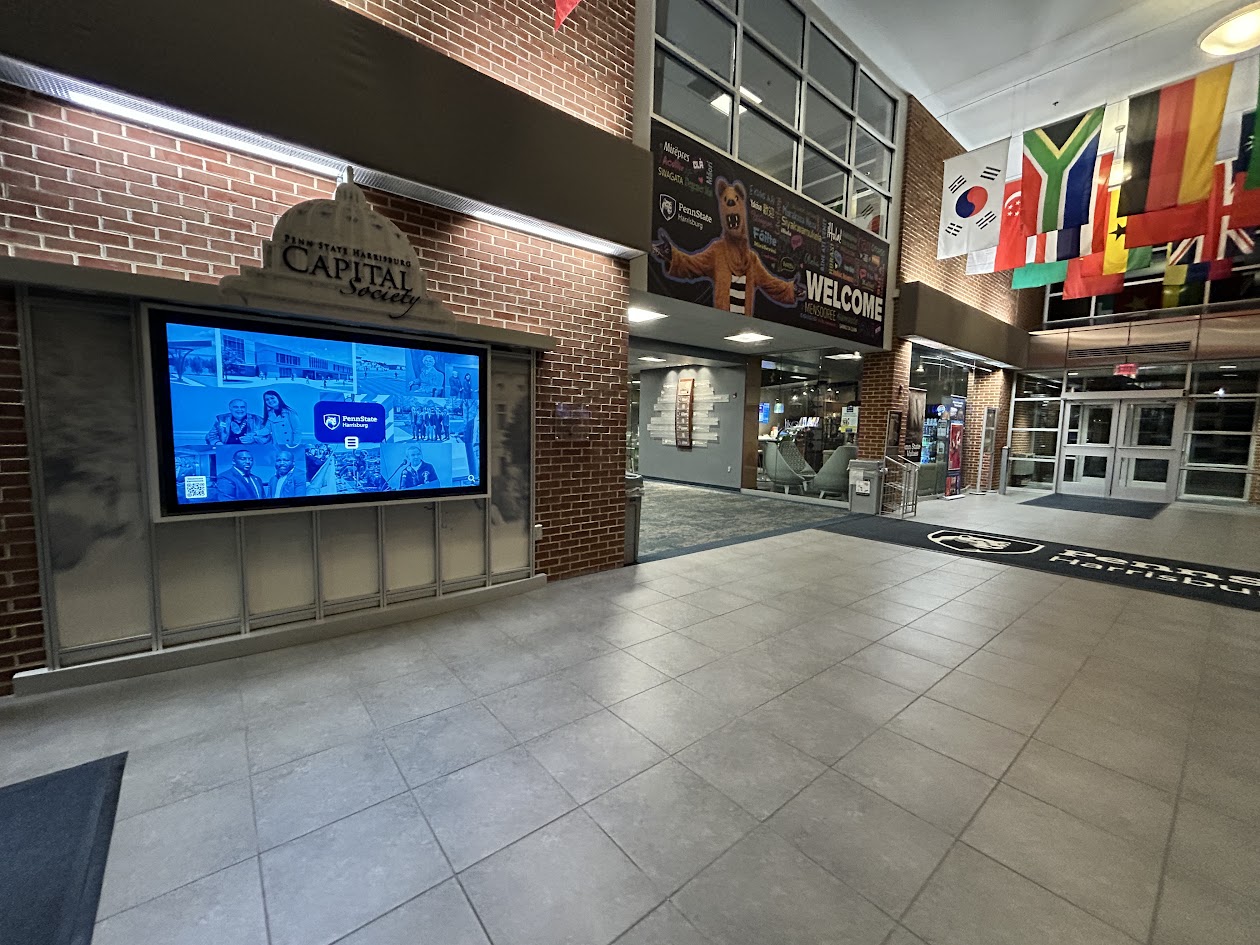
Physical space constraints force unfortunate design choices. Either your donor wall looks cramped and difficult to read, or it appears sparse and underutilized. Both presentations hurt your organization’s credibility with prospective donors.
Traditional walls also can’t adapt as your donor community grows. The layout that worked with 100 donors becomes problematic with 500, but you can’t restructure without complete replacement.
How Digital Fixes It:
Digital displays provide flexible layouts that maintain visual appeal regardless of donor volume. The system automatically adjusts spacing, formatting, and organization as your donor list grows. Your recognition always looks professional and purposeful, never cluttered or empty.
Mistake #7: Missing Storytelling and Impact Opportunities
Static donor walls can only display names and giving levels. They miss powerful opportunities to share donor stories, showcase project impact, and create emotional connections that inspire additional giving.
This limitation is particularly costly because donor recognition should do more than acknowledge past gifts: it should motivate future giving from both current donors and wall viewers.
How Digital Fixes It:
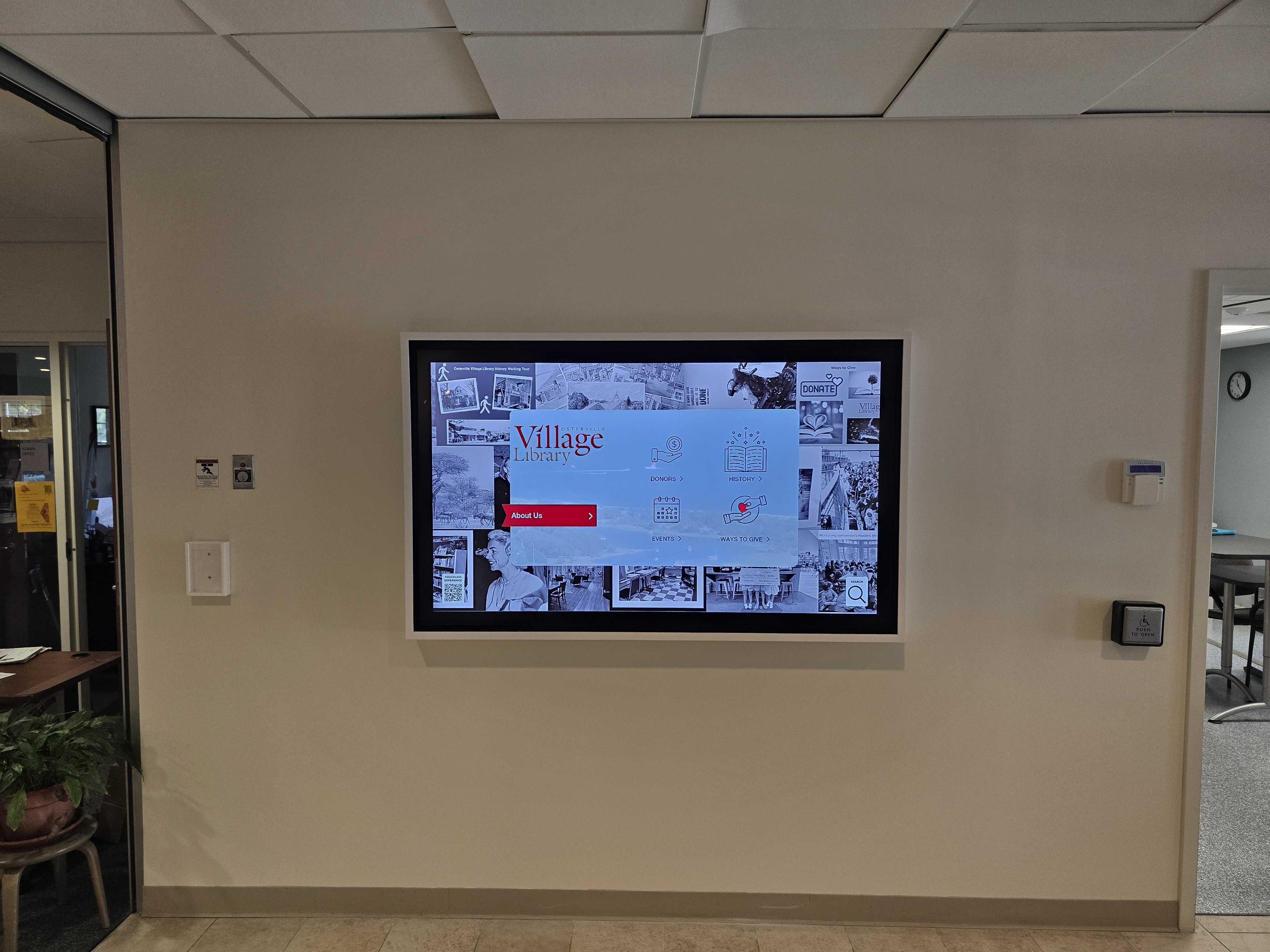
Interactive digital displays transform donor recognition into engagement experiences. Visitors can explore donor stories, view project impact videos, and understand how contributions create change. This storytelling capability turns your donor wall into an active fundraising tool rather than passive recognition. And compared to static methods, digital donor walls can improve overall donor engagement by up to 40% (Hall of Fame Wall guide to digital donor walls{:target=”_blank”}).
The Bottom Line: Digital Donor Walls Pay for Themselves
These seven mistakes don’t just create operational headaches: they cost money. Lost donors, delayed recognition, and missed engagement opportunities add up to significant fundraising losses over time.
Digital donor walls eliminate every one of these problems while creating new opportunities for donor engagement and stewardship. Organizations typically see improved donor retention and increased giving within the first year of installation. From a sector-wide standpoint, AFP’s Fundraising Effectiveness Project (FEP) tracks retention as a core health metric and consistently shows how much revenue nonprofits lose to donor churn—making stewardship and recognition a “must-fix,” not a nice-to-have (Fundraising Effectiveness Project{:target=”_blank”}).
In more specific terms, organizations that excel at donor recognition have been shown to see 40% higher retention and 25% larger average gifts (Touchwall donor recognition summary{:target=”_blank”}). And when recognition feels genuinely meaningful, 63% of donors say they’re likely to give multiple times (CrownTV on dynamic donor walls{:target=”_blank”}).
One more thing that’s easy to overlook: social validation and peer influence. You don’t want to overthink it—but there’s evidence that showing people peer donation information can influence donation-related decisions in some contexts (NIH/PMC study on peer donation information{:target=”_blank”}).
The technology has matured to the point where digital solutions are more cost-effective than traditional approaches when you factor in long-term updates, flexibility, and fundraising impact.
Ready to Fix These Mistakes?
If you’re recognizing your current donor wall challenges in this list, you’re not alone. The organizations we work with regularly tell us they wish they’d discovered digital solutions sooner.
Learn more about how digital donor walls can transform your donor recognition strategy, or explore our insights on digital donor recognition best practices.
Ready to discuss your specific situation? Contact our team to schedule a consultation about creating donor recognition that actually supports your fundraising goals.